

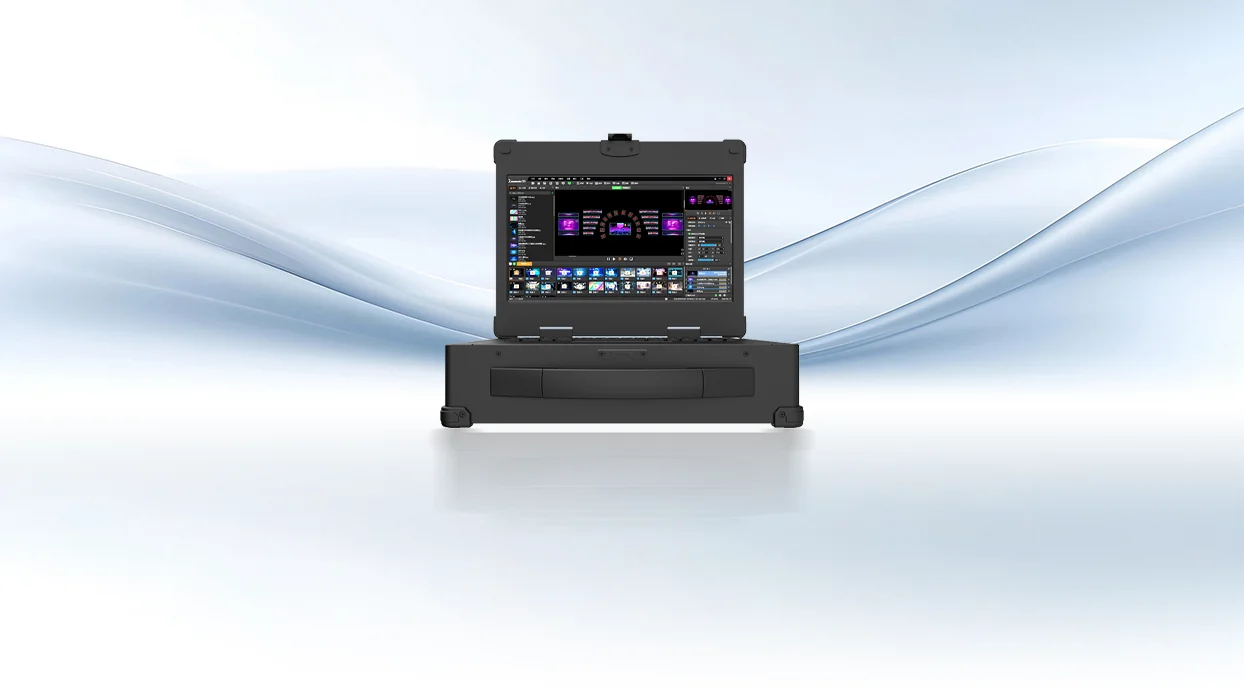
Large LED displays are widely used in concerts, exhibitions, corporate events, broadcast studios, and immersive visual environments. As screen sizes increase and creative content becomes more complex, choosing the right 4K media server has become a critical decision for achieving smooth playback, accurate image control, and reliable operation.
A professional media server is not simply a playback device. It must coordinate high-resolution content, multiple outputs, complex screen layouts, and real-time visual adjustments. For large LED display projects, the correct solution helps operators avoid image interruptions, compatibility issues, and inefficient workflows.
When selecting equipment, project teams should evaluate resolution capability, processing performance, output flexibility, stability, and application requirements. Kystar provides professional LED display control solutions designed to support demanding visual applications with integrated hardware and software capabilities.
Key Factors When Selecting a 4K Media Server for Large LED Displays
Evaluate 4K Media Server Processing Performance
The first consideration is whether the system can handle the required content workload. Large LED displays often use ultra-high-definition videos, multiple video layers, dynamic effects, and synchronized playback. A weak system may cause frame drops, delays, or unstable output during important events.
A suitable 4K media server should provide powerful GPU-based processing, efficient decoding capability, and enough resources for real-time content management. For stage performances and immersive installations, the server should also support multiple layers and flexible content arrangement rather than only basic video playback.
Modern professional solutions can integrate playback, display management, and control functions into one platform. This reduces the need for multiple computers and simplifies operation during complex LED display projects. Kystar’s Kommander media server series focuses on integrated workflows for professional LED applications, supporting high-resolution playback and multi-layer management.
Consider Output Capacity and Display Compatibility
Large LED displays are rarely limited to a single standard screen format. Many projects require wide screens, curved displays, creative shapes, or multiple LED cabinets combined into one visual canvas.
Before purchasing a 4K media server, users should check whether the output channels match the LED display requirements. Important factors include supported resolutions, connection interfaces, synchronization methods, and compatibility with LED receiving systems.
A professional system should allow operators to configure different screen layouts while maintaining accurate image mapping. This is especially important for concerts, theaters, and exhibition spaces where creative screen structures are common.
The T1 Pro media server from Kystar, for example, is designed for professional LED playback scenarios with multiple output capabilities and support for high-resolution content processing. It can handle demanding display environments where stable output and efficient control are required.
Choose a 4K Media Server Based on Application Scenarios
Stage Events and Live Performances
For concerts, festivals, and theatrical productions, reliability is often more important than basic playback functions. Event teams need equipment that can run continuously, respond quickly, and manage different visual elements during live shows.
A suitable 4K media server should support timeline control, real-time switching, and synchronization with other production equipment. These functions allow designers to coordinate LED backgrounds, camera feeds, animations, and special effects.
Portable design can also be valuable for touring productions. A compact server that is easy to transport and install helps production teams reduce setup time while maintaining professional performance.
Virtual Production and Immersive Environments
Virtual production studios and immersive spaces require accurate image rendering and stable synchronization between cameras, LED walls, and content systems. Small delays or incorrect image processing can affect the final production quality.
In these applications, users should select a media server with strong processing power, precise output management, and reliable long-duration operation. The system should support demanding workflows where multiple high-resolution sources are displayed simultaneously.
For XR studios, command centers, and large fixed installations, professional LED control platforms are often preferred because they provide more advanced management features compared with standard playback computers.
Check Stability and Long-Term Operation Capability
Large LED displays are frequently used in environments where downtime is unacceptable. Shopping centers, control rooms, performance venues, and broadcast facilities may require continuous operation for extended periods.
A reliable 4K media server should include optimized hardware design, stable operating systems, efficient cooling, and professional management functions. These features reduce unexpected interruptions and improve maintenance efficiency.
System stability is especially important for commercial projects because display failures can directly affect customer experiences, event schedules, or brand presentations. Choosing professional equipment designed specifically for LED applications can provide better reliability than general-purpose computers.
Kystar develops LED video control solutions for professional environments, focusing on stable operation and integrated system performance for complex display projects.
Software Features and Operator Experience Matter
Hardware performance alone does not determine the effectiveness of a media server. The software workflow also directly affects project efficiency.
Operators should consider whether the system provides intuitive content management, preview functions, scheduling tools, and flexible control options. A user-friendly interface allows technicians to prepare content faster and reduce operational mistakes during live events.
Advanced software functions can also improve creative possibilities. Features such as layer management, screen mapping, and synchronized playback allow designers to create more engaging visual experiences without adding unnecessary complexity.
Conclusion
Choosing a 4K media server for a large LED display requires careful evaluation of processing power, output capability, application requirements, stability, and software functions. The best choice depends on the specific project environment, from live entertainment and exhibitions to virtual production and commercial installations.
A professional media server should deliver smooth playback, accurate control, and dependable performance throughout the entire operation cycle. By selecting equipment designed for high-end LED applications, project owners can achieve better visual quality and a more efficient workflow.
With experience in LED display control systems and advanced video processing solutions, Kystar continues to support professional users seeking reliable and flexible technologies for modern visual environments. A carefully selected media server can become the foundation for creating impressive, stable, and future-ready LED display experiences.
