

Cable glands play an important role in hazardous-area installations. They connect cables to electrical enclosures while supporting cable retention and sealing. As part of explosion proof electrical fittings, they must match the cable construction, enclosure entry, and site conditions. Choosing the wrong type can create installation problems or compromise protection. Buyers should check these factors before placing an order.
What Should Buyers Check First
Start with the hazardous-area classification and the protection method specified for the installation. Gas hazards and combustible dust may require different equipment. The selected gland must match the applicable zone or division, gas group, temperature class, and protection concept. These details should come from the project specification rather than assumptions about the industry.
Certification requirements also need careful review. Projects may call for ATEX or IECEx certification, depending on the destination market and installation requirements. Buyers should check the certificate for the exact product model and intended application. Approval for one product does not automatically cover every accessory offered by the same manufacturer.
Cable Construction Determines Gland Selection
Cable design affects the gland type, sealing method, and installation process. Confirm the cable’s outside diameter and whether it is armoured, unarmoured, screened, or fitted with a special sheath. The selected gland must accommodate the specified dimensions and provide suitable cable retention. Nominal cable size alone may not provide enough information for correct selection.
Armoured cables may require a gland that secures the armour and supports electrical continuity. The product documentation should explain the intended arrangement. Unarmoured cables also need suitable sealing and strain relief. Installers should follow the stated cable diameter range and avoid modifying components to compensate for an incorrect fit.
How Do Entry Threads Affect Sealing
The gland thread must match the enclosure entry in both size and thread type. Metric and NPT threads, for example, are not automatically interchangeable. Buyers should confirm the required thread standard before ordering. Adapters should only be considered when the approved design and product certification permit their use.
Sealing performance also depends on the enclosure surface, gasket arrangement, and installation method. The enclosure’s ingress-protection rating does not automatically establish the rating of the completed cable entry. Reviewing both sets of specifications helps buyers identify potential compatibility issues. Correct tightening and suitable sealing components are important during installation.
Which Environmental Conditions Matter
Outdoor installations may face rain, ultraviolet exposure, temperature changes, and salt-laden air. Chemical facilities can expose components to corrosive vapours or cleaning agents. Buyers should compare gland materials and sealing compounds with actual site conditions. General descriptions such as industrial grade are not substitutes for documented material compatibility.
Temperature limits deserve particular attention. Cable sheaths, seals, and enclosure materials can respond differently to heat and cold. Confirm that the selected components suit the expected ambient range. Humid environments also require attention to moisture control and inspection access. These factors help determine which explosion proof electrical fittings are appropriate for the installation.
Installation Access and Maintenance Matter
Installation planning should cover working space, cable routing, access to locknuts, and the tools needed for tightening. Crowded panels can make assembly difficult. Poor cable routing may also place unnecessary strain on the gland. Reviewing drawings and checking samples can help identify practical issues before equipment reaches the site.
Maintenance teams need clear product identification and installation records. These documents support replacement planning and reduce the risk of incompatible substitutions. During inspections, technicians should check for loose components, damaged seals, corrosion, and cable movement. Any repair should follow the manufacturer’s instructions and the site’s safety procedures.
Why Should Junction Boxes Be Considered Too
Cable glands form part of a wider electrical entry arrangement. The junction box must accommodate the required cables, terminals, and wiring layout. Buyers should review enclosure dimensions, material, ingress protection, and internal space. Limited room can complicate cable routing and terminal access, even when the individual components meet their respective specifications.
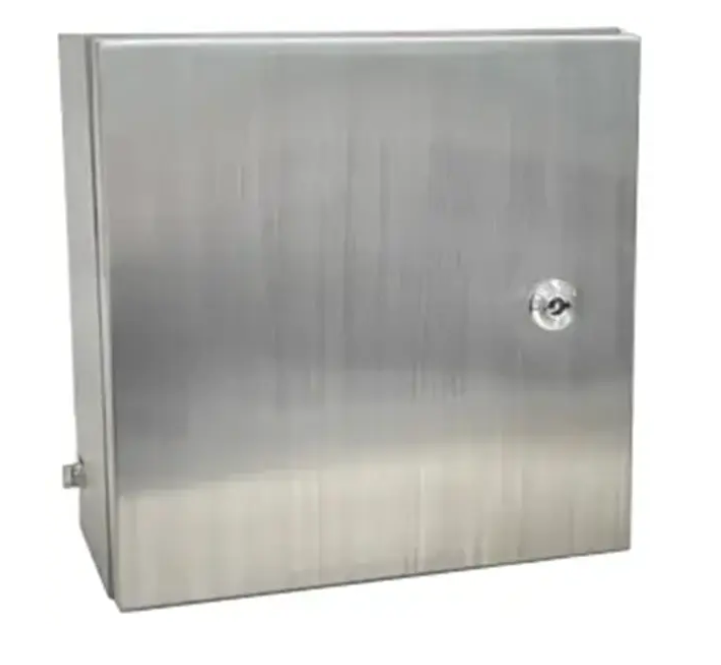
The EJB-e Series Explosion-proof Junction Box from Sunleem EEW offers several configuration options. Its listed features include a high IP rating, multiple enclosure materials and dimensions, and compatibility with different terminal types. The hinges are designed for high accuracy and can be installed in different directions. The series is described for harsh environments involving high temperatures, high humidity, and high corrosion. Exact specifications should be checked for the selected model.
When specifying a junction box and its cable entries, buyers should compare entry count, thread type, cable diameter, terminal arrangement, and available enclosure space. Product documentation and relevant certificates help confirm compatibility. The completed assembly must also follow the approved project design and installation instructions.
Build the Specification Around Site Requirements
A clear procurement schedule makes technical comparison easier. Include area classification, certification requirements, cable construction, outside diameter, entry thread, environmental conditions, and enclosure dimensions. Suppliers can then review the requirements against the proposed models. This process helps reduce ordering errors and avoids unnecessary changes during installation.
Sunleem EEW supplies equipment for hazardous industrial environments, including the EJB-e Series Explosion-proof Junction Box. The listed enclosure and terminal options may be relevant to projects with specific wiring and installation needs. Buyers should verify model-level data, certifications, and environmental limits before making a final decision.
Choosing suitable explosion proof equipment requires more than checking a product label. Cable compatibility, sealing, environmental resistance, certification, and maintenance access all influence the final selection. Reviewing these factors together gives procurement teams and engineers a practical basis for specifying cable glands and coordinating them with the associated electrical enclosures.
