

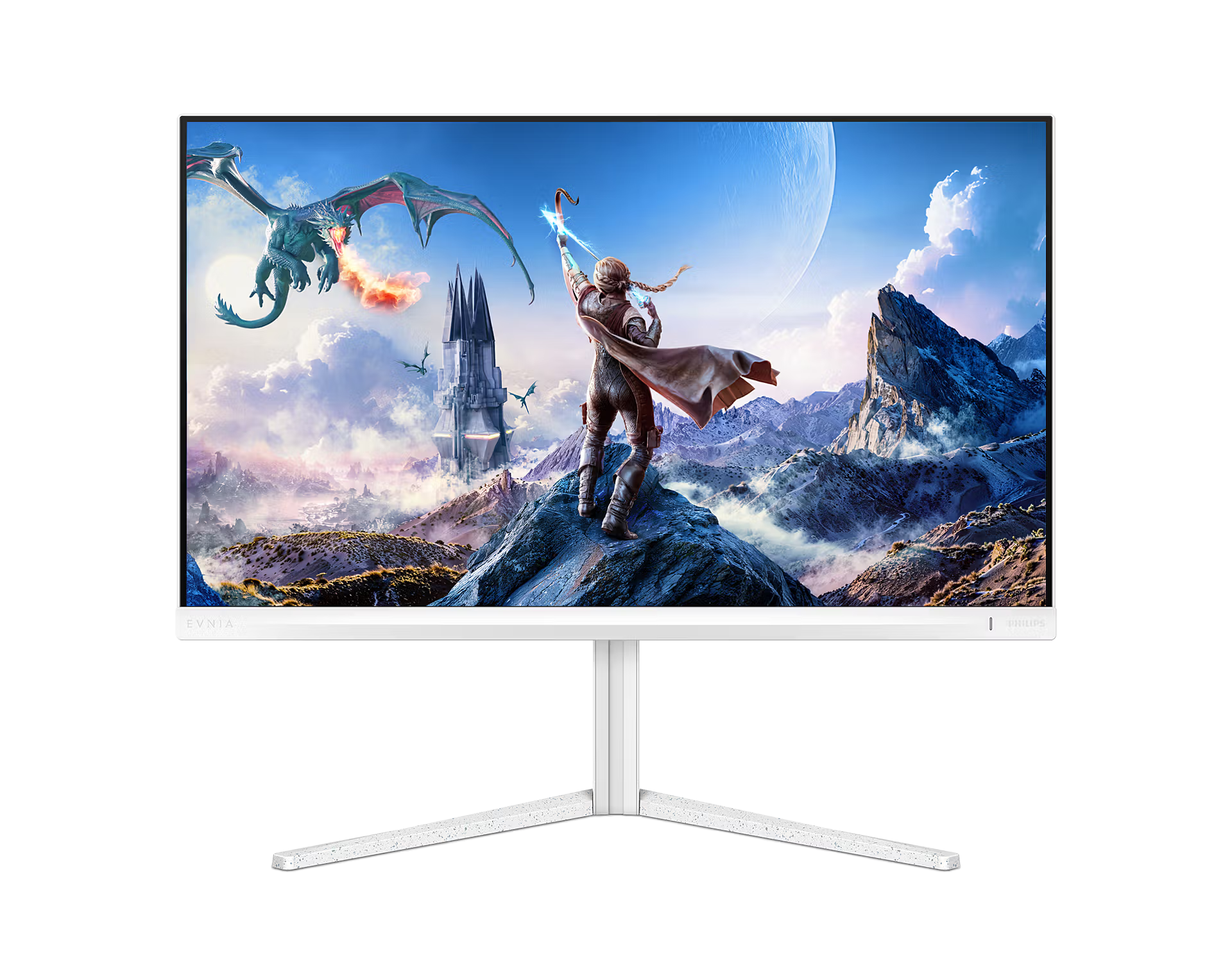
Gaming displays are often evaluated through refresh rates, response times, resolution, and panel technology. However, understanding a display brand also requires examining how it interprets the needs of different players. With Philips Display as the broader brand context and Evnia as its gaming-focused identity, consumers and industry professionals can explore how display technology, usability, visual design, and inclusivity contribute to a more considered gaming experience. This perspective helps them assess gaming monitors beyond individual specifications.
Gaming Display Design Begins with Understanding Different Players
A gaming display serves different purposes depending on the player, game genre, and playing environment. Competitive players may prioritise motion clarity and responsiveness, while those who enjoy role-playing games or open-world adventures may place greater emphasis on visual detail, colour reproduction, and immersive presentation.
When evaluating a Philips Display product, buyers should consider these requirements together rather than treating one specification as the sole measure of suitability. Screen resolution, refresh rate, connectivity, and ergonomic adjustment each contribute to the overall experience, but their importance varies according to how the monitor will be used.
This approach also provides a practical starting point for product comparisons. Retailers, distributors, and purchasing teams can identify the needs of their intended customers before comparing individual models, helping them make more relevant recommendations without relying on broad performance claims.
How Technical Specifications Translate into Everyday Gaming
Technical specifications are useful when they are connected to actual gaming scenarios. Refresh rate describes how frequently a display can update its image, while response time concerns how quickly pixels transition between states under specified testing conditions. Both can influence the perception of motion, but neither independently determines the complete gaming experience.
A higher refresh rate can be particularly relevant in fast-paced games, provided the graphics hardware and software can deliver suitable frame rates. Resolution, meanwhile, affects image detail and the processing demands placed on the computer or console. Buyers should therefore evaluate the relationship between display capabilities and their existing equipment.
For professionals comparing Philips Display options, the same principle applies to panel characteristics, adaptive synchronisation support, and available connections. Product specifications should be checked against the exact model documentation because features can differ across a manufacturer’s range.
Rather than assuming that every player needs the highest available specification, buyers can assess which combination of features offers practical value for a particular gaming setup.
Visual Comfort and Usability Beyond Performance
Gaming sessions involve more than displaying images quickly. Screen positioning, room lighting, viewing distance, and the arrangement of other equipment can all affect how comfortable a setup feels during extended use. An adjustable stand, suitable brightness range, and appropriate screen size may therefore matter as much as headline performance figures for some users.
Visual presentation also influences how a monitor fits into a home office, bedroom, or dedicated gaming space. Some players prefer understated equipment that blends into an existing workspace, while others favour a more distinctive design that reflects their personal interests.
When considering Philips Display products, buyers should examine available ergonomic features and visual settings alongside technical performance. Features such as low-blue-light modes or flicker-reduction technology should be assessed according to the manufacturer’s specifications, without assuming that they eliminate every source of visual discomfort.
This broader evaluation makes product selection more practical. It recognises that a monitor is part of a complete environment, rather than an isolated collection of technical components.
Evnia and a More Inclusive Understanding of Gaming
Evnia provides an important perspective on how a gaming brand can define its role beyond competition alone. Its official brand introduction describes Evnia as a support system for the gaming world and emphasises accessibility, innovation, personal expression, and a sense of belonging. The name is derived from Greek, with the brand explaining its meaning through the ideas of interest, protection, and support.
This positioning encourages buyers to consider the diversity of people who play games. Different ages, preferences, experience levels, and lifestyles can shape what individuals expect from gaming equipment. A brand’s identity can acknowledge these differences without suggesting that every player shares the same priorities.
Within the Philips Display ecosystem, Evnia gives gaming a distinct identity centred on both technology and the people who use it. Its stated philosophy moves beyond a narrow focus on winning and performance, presenting gaming as a space for connection and self-expression.
For businesses evaluating gaming monitor portfolios, this brand approach offers another useful consideration: product positioning should communicate who a display is intended to serve, while technical information should clearly explain what the specific model provides.
Making More Informed Choices in a Changing Gaming Market
The gaming monitor market includes products designed for different budgets, hardware configurations, and usage patterns. As a result, an effective purchasing process begins with clear requirements rather than a predetermined preference for a particular specification or design.
Buyers can start by identifying the primary gaming genres, the capabilities of the connected device, the available desk space, and the user’s preferred screen size. They can then compare verified specifications, supported features, adjustment options, connectivity, warranty terms, and local availability.
For buyers considering Philips Display products, this process helps separate measurable performance from broader brand positioning. It also supports more accurate product descriptions and customer guidance, particularly when several models appear similar at first glance.
Evnia’s emphasis on inclusivity and personal expression adds a further dimension to this evaluation. It reminds consumers and businesses that a suitable gaming display should be assessed in relation to the individual, the environment, and the intended use, rather than through a universal ranking of specifications.
Discovering the Purpose Behind Evnia
Understanding a gaming display brand requires an examination of both the technology it offers and the principles guiding its approach to players. Philips Display provides the wider context for examining display choices, while Evnia expresses a gaming identity built around innovation, inclusivity, and the idea that gaming can bring people together.
Informed product selection means connecting verified technical information with genuine user requirements. By considering performance, usability, design, and brand philosophy together, businesses and consumers can make clearer decisions without relying on exaggerated claims.
Exploring Evnia‘s official gaming monitor range allows buyers to discover its approach to gaming design, compare available features, and identify a display that fits their gaming needs.
