

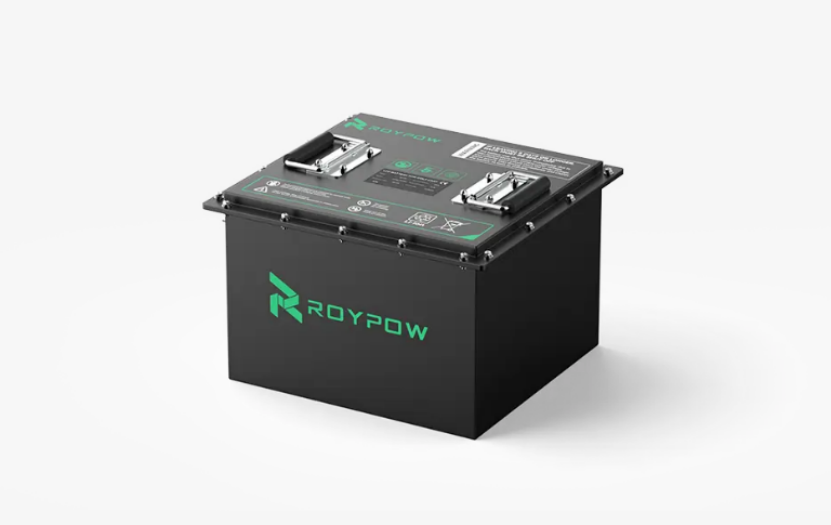
In many golf cart operations, battery issues are often noticed only after performance begins to decline—such as reduced driving range, slower charging, or inconsistent power output. These problems are not always caused by battery chemistry alone, but are closely related to how the battery is managed during daily use. In lithium systems, this responsibility is largely handled by the Battery Management System (BMS), which plays a critical role in maintaining stability and extending service life. Understanding how BMS technology works provides a more practical way to evaluate golf cart lithium battery performance and long-term reliability.
Understanding the Role of BMS in Lithium Battery Systems
A Battery Management System is designed to monitor and regulate the internal condition of a battery in real time. Rather than allowing the battery to operate passively, the BMS actively manages key parameters to maintain stability and prevent damage.
In practical applications, this control is mainly achieved through several core functions:
- Voltage monitoring
The BMS continuously tracks the voltage of each cell to prevent overcharging or deep discharging, both of which can shorten battery life. - Temperature regulation
By monitoring heat levels during operation and charging, the system helps avoid overheating and reduces the risk of thermal instability. - Charge and discharge management
The BMS adjusts current flow to ensure that the battery operates within safe and efficient limits.
These mechanisms work together to protect the battery from common causes of degradation. As a result, lithium batteries equipped with advanced BMS are able to maintain more stable performance over time compared with unmanaged systems.
Why Lithium Technology Offers Longer Battery Life Expectancy
When comparing golf cart battery life expectancy, lithium batteries generally outperform traditional lead-acid options by a significant margin. This difference is not only due to the battery chemistry itself but also closely related to how the system is managed.
Several factors contribute to this extended lifespan:
- Precise control of charge cycles
The BMS ensures that charging and discharging processes remain within optimal ranges, reducing stress on battery cells. - Reduced performance degradation over time
Lithium systems maintain more consistent output, whereas lead-acid batteries tend to lose efficiency more quickly with repeated use. - Adaptability to different operating conditions
With built-in thermal regulation, lithium batteries can function effectively across a wider temperature range.
Together, these advantages can extend battery service life to several years under normal operating conditions. For fleet operators, this translates into fewer replacements and more predictable maintenance planning. It also contributes to a lower total cost of ownership when evaluated over the full lifecycle.
BMS-Enabled Protection Features in Daily Operations
In real-world fleet environments, battery systems are often exposed to continuous use, variable loads, and changing environmental conditions. Under these circumstances, the protective functions of a BMS become especially important.
Key protective features typically include:
- Voltage stabilization
Helps maintain consistent power output, reducing sudden drops during acceleration or heavy load. - Cell balancing
Ensures that all cells age at a similar rate, preventing uneven degradation that can affect overall battery performance. - Short-circuit and fault protection
Enhances operational safety by responding quickly to abnormal electrical conditions.
For fleets using Yamaha golf cart battery systems, these features are particularly valuable because vehicles are often operated frequently and under varying conditions. A well-managed battery system can maintain stable performance even with repeated daily use.
In addition to protection, the BMS also supports data monitoring. By tracking battery health and usage patterns, it allows operators to anticipate maintenance needs rather than respond to unexpected failures. This shift from reactive to proactive management helps improve uptime and operational efficiency.
Supporting More Predictable and Efficient Fleet Operations
The integration of advanced BMS technology is not only about protecting the battery but also about improving how the entire fleet operates. Reliable battery behavior enables better scheduling, reduces unexpected interruptions, and supports more consistent service delivery.
From an operational perspective, the benefits can be summarized as:
- Extended usable lifespan, reducing the frequency of battery replacement
- Improved performance stability, supporting consistent vehicle operation
- Lower maintenance uncertainty, thanks to real-time monitoring and diagnostics
These advantages are particularly relevant for commercial users who depend on continuous operation. A battery system that performs predictably over time can significantly improve overall efficiency.
Unlocking Long-Term Value Through Better Battery Management
Investing in lithium batteries equipped with advanced BMS technology represents a shift toward more intelligent energy management. Rather than relying solely on battery capacity, modern systems focus on how energy is controlled, protected, and utilized throughout the lifecycle.
For operators managing golf cart battery life expectancy across multiple vehicles, this means more than just longer battery life. It also means improved reliability, reduced downtime, and a clearer understanding of system performance. In applications involving Yamaha golf cart battery upgrades or replacements, these factors contribute to smoother transitions and more stable long-term operation.
As battery technology continues to evolve, the role of the BMS remains central. It is the component that enables lithium batteries to deliver consistent performance while maintaining safety and efficiency. For businesses seeking dependable and scalable solutions, advanced battery management is a key part of building a more resilient fleet system.
