

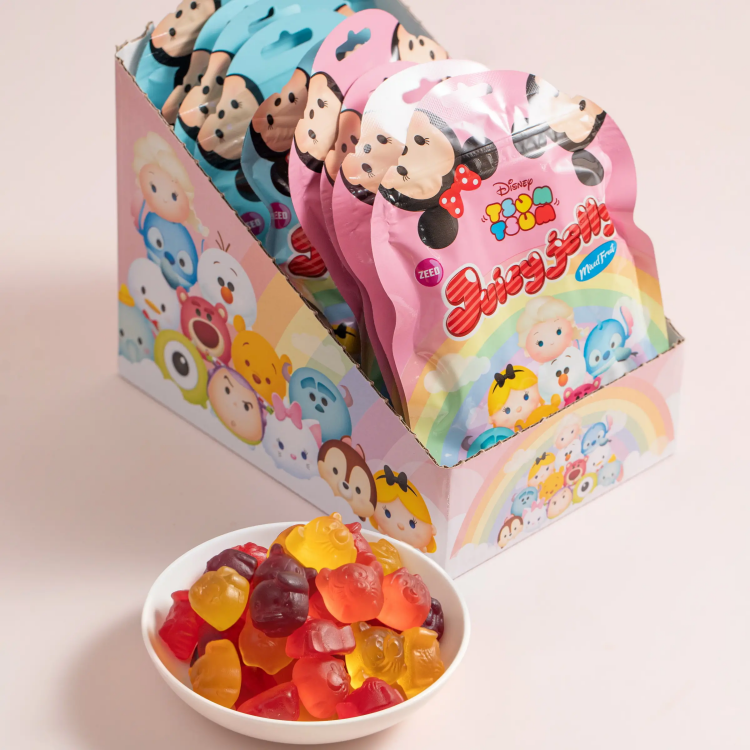
Five years ago, retail confectionery aisles were primarily dominated by standard strawberry, lemon, and cherry flavor profiles. Today, this retail landscape is shifting significantly. Complex tropical and hybrid flavor combinations are now claiming prime shelf space. This transition reflects a broader evolution in consumer snacking preferences and modern grocery merchandising strategies.
Much of this commercial change is driven by younger demographics, particularly Gen Z and millennial shoppers. These retail buyers frequently seek novel, visually engaging, and highly photographable taste experiences rather than familiar, single-note flavors. Furthermore, global food culture and increased international travel trends are normalizing once-exotic fruits like lychee, passionfruit, dragon fruit, and guava in Western markets.
Improved international supply chains also enable this market shift, offering better commercial access to authentic tropical extracts and natural colorants derived from Southeast Asian sources. Consequently, leading fruit jelly candy manufacturers are actively broadening their flavor portfolios. They aim to match this growing commercial demand for adventurous and globally inspired retail confectionery options.
How Consumer Tastes Are Moving Beyond Classic Fruit Profiles
The classic trio of strawberry, lemon, and cherry still maintains high sales volume, but overall market growth in these standard profiles has largely flattened. Market momentum currently sits with layered and complex hybrid flavor profiles. Combinations like mango-passionfruit, lychee-rose, and guava-lime are steadily gaining traction. Exposure to global cuisines and social media trends accelerates this flavor curiosity among everyday shoppers.
Retail trends suggest that younger demographics generally prioritize new sensory experiences over safe, established choices when testing confectionery products.To capitalize on this purchasing behavior, retail brands are utilizing limited-edition and seasonal flavor drops. These strategic inventory releases serve as highly effective tools for driving repeat store visits and stimulating spontaneous impulse purchases at checkout.
Why Tropical Fruit Jelly Candy Wins in Mature Western Markets
Positioning a retail product as exotic often creates a premium perception without necessarily requiring a significantly higher premium ingredient cost. Tropical fruits frequently carry a built-in health halo, associated with natural brightness and vitamin C content. These visually vibrant products generally perform much better on visual social media platforms and in high-traffic, impulse-buy retail zones.
Sourcing directly from Southeast Asian supply chains provides commercial buyers with improved access to authentic fruit extracts and reliable natural color sources. Capable fruit jelly candy manufacturers with regional manufacturing footprints, such as HAPI, can source much closer to the origin. This geographical proximity helps preserve flavor integrity while supporting cleaner ingredient labels for expanding retail brands.
The Technical Side of Confectionery Flavor Development
Developing these complex tropical profiles presents notable engineering challenges for production facilities. Tropical fruit essences are often highly heat-sensitive and tend to oxidize faster than traditional citric profiles. Pectin-based gels frequently retain these delicate top notes much better than high-melt gelatin alternatives. Utilizing natural colorants like turmeric, spirulina, or beetroot requires careful pH management to prevent premature fading.
Modern starch molding and automated depositing technologies now support complex three-dimensional shapes and sophisticated dual-layer flavor releases. Achieving an authentic tropical note relies heavily on strict precision during the initial cooking and subsequent cooling phases. The exact thermal curves implemented by the factory ultimately determine whether a tropical flavor tastes genuinely authentic or overly artificial to the end consumer.
Texture and Mouthfeel as Primary Purchase Drivers
Beyond the initial flavor profile, texture remains a silent but highly critical differentiator in the fruit jelly candy category. Characteristics like a tender versus bouncy chew, the dissolve rate, and the structural spring-back all signal product quality to consumers. Interestingly, Asian markets traditionally favor softer, juicier textures, whereas North American and European buyers generally expect a much firmer bite.
Achieving the correct texture for tropical flavors is notably difficult because natural acidity and moisture content vary significantly across different raw fruit extracts. Production facilities must carefully adjust gel strength and starch drying parameters on a strict batch-by-batch basis. This highly disciplined manufacturing approach is necessary to maintain structural consistency across diverse flavor ranges during high-volume commercial runs.
Seasonal Rotation and Retail Assortment Planning Strategies
Strategic retail organizations frequently rotate their fruit jelly candy inventory to carefully align with seasonal merchandising shifts. Buyers often prioritize tropical mixes featuring mango, pineapple, and passionfruit for spring and summer promotions. Conversely, complex berry and citrus blends tend to dominate autumn and winter assortments. Themed holiday releases, like Valentine hearts or Halloween pumpkins, help protect overall category margins.
Introducing limited-edition flavor releases creates a distinct sense of purchasing urgency, encouraging social sharing and rapid retail inventory turnover. Commercial buyers who proactively plan their flavor calendars six to twelve months in advance with their manufacturing partners can build a distinct market advantage. This proactive foresight helps avoid last-minute formulation rushes and prevents costly retail inventory gaps during peak seasons.
Selecting Capable Fruit Jelly Candy Manufacturers for Retail Expansion
Choosing the right industrial production partner involves evaluating several key technical and operational criteria. Commercial buyers should carefully assess the depth of the supplier’s flavor library and their in-house research and development capabilities. Consistent production at scale, verifiable clean-label certifications, and the flexibility to accommodate small-batch trials before committing to full commercial runs are all highly vital considerations.
An experienced manufacturing partner like HAPI brings over a quarter-century of established confectionery expertise directly to commercial buyers. Operating modern, automated pectin production lines, the facility delivers up to thirty metric tons of pectin gummies daily. HAPI offers a comprehensive product portfolio featuring over fifty diverse flavors, ranging from familiar classic profiles to highly intricate tropical blends.
HAPI holds recognized global industry credentials, including rigorous FSSC 22000 and ISO 22000 food safety certifications. The organization also provides highly flexible OEM and ODM manufacturing services, accommodating minimum order quantities starting from 500 cartons. This notable operational adaptability makes HAPI a highly practical manufacturing partner for retail brands seeking to expand their custom confectionery lines effectively.
