

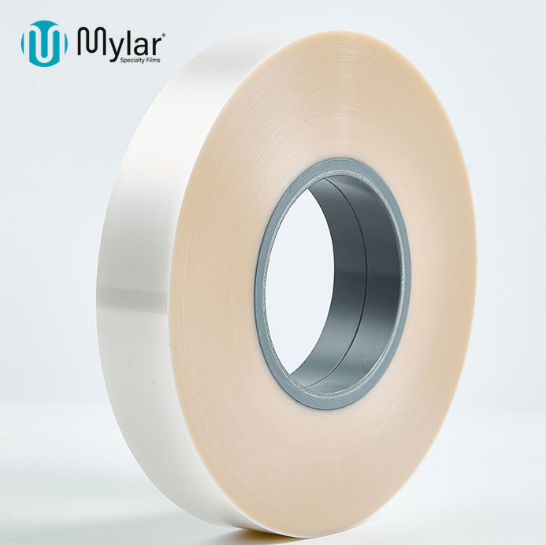
In industrial power distribution, material selection for insulation directly affects transformer longevity, safety, and maintenance cycles. Each insulating component plays a defined role in electrical clearance, thermal behavior, and manufacturability. Among commonly used polymers, mylar insulation (PET polyester film) offers a specific set of electrical and mechanical characteristics that influence design choices for dry-type transformers. The following analysis addresses how mylar electrical insulation functions within dry transformers and how OEMs and procurement teams should assess its suitability, including supply considerations with partners such as Sui On Insulating.
Dielectric function and electrical performance of mylar insulation
Mylar electrical insulation performs primarily as a thin-film dielectric barrier, providing phase separation, interlayer insulation, and localized support in winding and end-winding regions. The polyester chemistry of Mylar® films yields stable dielectric strength and low dielectric loss at moderate operating temperatures; typical temperature resistance ranges from approximately 105°C to 130°C (product-dependent), and relevant UL listings (for example UL E93687) and environmental certifications (RoHS, REACH, MSDS) are commonly available. In dry-type transformers, where cooling is air-based and thermal margins are more constrained than in oil-filled equivalents, mylar insulation is suitable for applications with moderate thermal load and where thin, conformable insulation layers are required. Its low extractables and dimensional stability reduce contamination risk during varnish impregnation, and its surface finish supports consistent adhesive bonding when lamination or composite assemblies are used. For B2B buyers, quantifying dielectric requirements (creepage, clearance, partial-discharge thresholds) against the specified mylar grade is essential to determine whether its electrical performance meets the application’s safety margins.
Thermal, mechanical, and integration considerations in transformer assemblies
While mylar insulation offers advantages in thinness and handling, its thermal ceiling (105–130°C) requires careful integration into dry-type transformer thermal designs. OEMs should evaluate hotspot distribution, ambient conditions, and transient loading to ensure that mylar electrical insulation remains within its service temperature during worst-case scenarios. Mechanically, Mylar® films provide excellent flexibility and can be supplied in wide production-friendly rolls (standard widths commonly 1000–1450 mm), enabling efficient cutting, wrapping, and slit operations. However, in applications subject to significant mechanical stress—such as high short-circuit forces or vibration—supplementary mechanical supports or thicker insulating layers may be necessary. Processing choices (adhesive systems, lamination pressures, and impregnation resins) influence final part integrity; working with suppliers who offer processing services and sample parts can accelerate validation. Distributors and processors like Sui On Insulating can supply certified mylar grades, A4 samples, and processing support to reduce qualification time and ensure consistent lot-to-lot properties.
Practical procurement and lifecycle implications for OEMs
For manufacturers of dry-type transformers, the decision to use mylar insulation should weigh unit material cost against lifecycle impacts: insulation aging, maintenance intervals, and failure modes. Mylar electrical insulation can reduce material thickness and weight while simplifying automated handling, which benefits production throughput. Conversely, if transformers are expected to operate in elevated-temperature environments or under sustained overloads, higher-temperature insulation systems should be considered. Selecting reliable electrical insulation suppliers with system certifications (ISO9001, ISO14001, IATF16949) and documented traceability—attributes offered by established vendors—reduces qualification risk and supports scale-up.
Final assessment: Where mylar electrical insulation is most appropriate
Mylar insulation is an effective choice for dry-type transformer applications that require thin, conformable dielectric barriers and operate within moderate thermal envelopes. For OEMs seeking predictable performance and streamlined qualification, partnering with certified suppliers and processors—such as Sui On Insulating—helps ensure that mylar electrical insulation is applied correctly and delivers the intended electrical and manufacturing benefits.
