

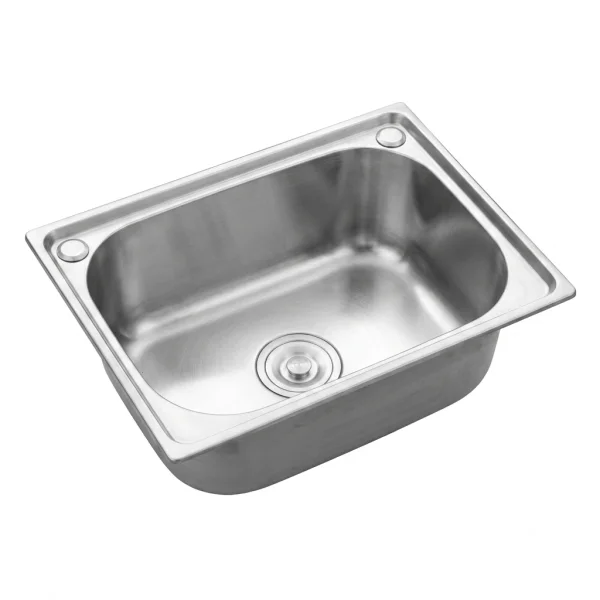
Choosing bulk kitchen sinks for commercial projects requires more than comparing prices. Distributors, restaurant equipment suppliers, contractors, and hospitality procurement teams need to assess material grades, dimensions, cleaning requirements, and manufacturing consistency to select products suited to their customers’ operating environments.
Select Materials Based on Operating Conditions
Stainless steel is widely used in commercial kitchens because it combines corrosion resistance, durability, and straightforward cleaning. However, different grades offer different properties, so buyers should verify the specified material before comparing quotations.
AOGLAN offers 201, 304, and 316 stainless steel options to meet different requirements. Type 304 suits general kitchen use, while Type 316 offers greater corrosion resistance in demanding environments. Type 201 may be suitable for cost-sensitive projects, depending on the application.
Material selection should reflect water quality, cleaning chemicals, usage frequency, and maintenance practices. A sink exposed to aggressive cleaning agents or persistent moisture may require a different specification from one used for light food preparation. Procurement teams should request written confirmation of the steel grade and ensure that the delivered products match the approved specification.
Thickness is another factor, but it should not be assessed alone. Sheet thickness, bowl geometry, reinforcement, and forming quality all affect rigidity and resistance to deformation. Surface finish also matters because uneven finishing, sharp edges, and visible forming defects can affect usability and product appearance. Buyers should compare documented measurements and inspect samples before approving a large order.
Determine the Right Size and Configuration
A commercial kitchen sink must fit both the available installation space and the work performed around it. A single-bowl design may suit basic washing stations, while larger or multiple-bowl configurations can separate rinsing, washing, and preparation tasks. The appropriate layout depends on workflow, available floor space, and the equipment used alongside the sink.
When evaluating a commercial kitchen sink, buyers should distinguish external dimensions from usable bowl measurements. Overall length and width determine countertop and cabinet compatibility, while bowl depth influences capacity and clearance underneath. A deep basin can accommodate larger cookware, but it may leave less room for plumbing connections or storage.
Installation drawings should be reviewed before cabinets or countertops are fabricated. Buyers need to confirm cutout dimensions, mounting style, drain position, faucet-hole arrangements, and minimum cabinet width. These details are particularly important for projects involving several kitchens, where inconsistent measurements can create installation delays and additional labor costs.
The intended workload should guide capacity decisions. Restaurants with frequent cookware washing may need larger basins than cafés or staff kitchens with lighter cleaning demands. Buyers should consider peak service periods, the number of employees using the station, and the types of cookware being handled. Selecting an appropriate configuration can improve workflow and reduce congestion around washing areas.
Standard sizes simplify inventory planning, while custom dimensions suit specialized projects but may affect costs and lead times. For bulk orders, buyers should confirm dimensions, material grade, mounting style, and drainage details to ensure products meet installation requirements.
Establish Practical Cleaning and Maintenance Procedures
Regular maintenance helps preserve the appearance and serviceability of stainless steel sinks. Food residue, grease, mineral deposits, and cleaning chemical buildup can affect the surface if they are left unattended. Commercial operators should establish cleaning routines appropriate to their usage levels and follow the manufacturer’s care instructions.
After use, staff should remove food debris, wash the basin with a suitable mild detergent, rinse thoroughly, and dry the surface when practical. Non-abrasive cleaning tools help reduce unnecessary scratching. Steel wool and harsh scouring materials should generally be avoided because they can damage the finish and leave particles that may contribute to surface rust staining.
Cleaning products also require attention. Chloride-containing cleaners, including some bleach-based products, can damage stainless steel under certain conditions, particularly when concentrated or left in contact with the surface. Staff should follow product labels and workplace safety procedures rather than applying unfamiliar chemicals directly to the sink. Cleaning equipment should also be rinsed and stored appropriately to avoid prolonged contact with the stainless steel surface.
Drainage deserves routine inspection as well. Food particles can accumulate around strainers and outlets, while blocked pipes may cause standing water and unpleasant odors. Checking drain fittings, seals, and connections can help identify leaks or drainage problems before they disrupt kitchen operations. In high-use kitchens, regular inspections are particularly important because minor blockages can quickly interfere with daily cleaning tasks.
Hard water can leave mineral deposits around taps and drains. Operators should use approved cleaners and avoid leaving wet cloths or metal containers on the sink. Regular maintenance records help identify recurring issues and plan repairs.
For distributors and contractors, providing clear care instructions can improve customer experience after installation. It also helps establish realistic expectations about normal wear, surface scratches, and the maintenance needed to preserve the sink’s finish.
Evaluate Suppliers for Consistent Bulk Orders
Commercial buyers should assess supplier quality control, production capacity, and delivery reliability. AOGLAN offers pressed sinks, customized designs, and accessories. Before ordering, buyers should confirm specifications, minimum quantities, and lead times. Visit AOGLAN to explore products and discuss sourcing needs.
