

Entering the healthcare technology market as a startup is a notoriously complex endeavor. While innovation in diagnostic and therapeutic technology is accelerating, the pathway from a functional prototype to widespread commercial adoption is fraught with obstacles. For emerging medical device companies, the primary hurdles often lie not in the initial engineering, but in the rigorous demands of scalable production, regulatory compliance, and market penetration. Overcoming these barriers is essential for generating sustainable medical device sales and securing a foothold in a highly competitive, regulated industry.
Startups frequently face a significant operational disconnect: they possess groundbreaking intellectual property but lack the in-house infrastructure required to manufacture and commercialize it at scale. Understanding these inherent challenges—and identifying the strategic partnerships required to mitigate them—is the critical first step toward long-term commercial viability.
The Scaling Dilemma: From Prototype to Mass Production
One of the most immediate challenges for a medical technology startup is the transition from low-volume prototyping to high-volume commercial manufacturing. A prototype designed in a laboratory environment often utilizes fabrication methods that are economically unviable or technically impossible to replicate at scale. This discrepancy introduces a critical phase known as Design for Manufacturability (DFM).
Startups typically operate with lean engineering teams focused on core innovation. Consequently, they may lack the specialized expertise required to optimize a device for automated assembly, injection molding, or advanced material joining. When DFM is overlooked, startups encounter severe manufacturing bottlenecks, escalating unit costs, and delayed product launches. These delays directly impact the company’s ability to execute early-stage sales strategies and generate crucial initial revenue. To mitigate this risk, startups must prioritize manufacturability from the earliest stages of development, supporting that the transition to commercial production is seamless and cost-effective.
Navigating Regulatory Complexity and Documentation
The global healthcare market is governed by regulatory frameworks intended to ensure device safety and performance. For startups, navigating FDA requirements in the United States or the EU MDR and IVDR conformity-assessment framework in Europe can create substantial administrative and financial challenges. Regulatory submissions may require design and development records, risk-management documentation, biocompatibility evidence, and other technical information applicable to the device and target market.
Startups frequently underestimate the sheer volume of documentation and the rigorous quality control systems—such as ISO 13485 compliance—required to achieve and maintain certification. A failure to build robust quality management protocols early in the development cycle can lead to costly redesigns and extended regulatory review periods. In the B2B medical sector, institutional buyers, hospital networks, and distributors will not engage in purchasing discussions without absolute certainty of regulatory compliance. Therefore, a startup’s inability to efficiently navigate the regulatory landscape directly paralyzes its market entry and potential sales growth.
The Capital Expenditure (CapEx) Burden
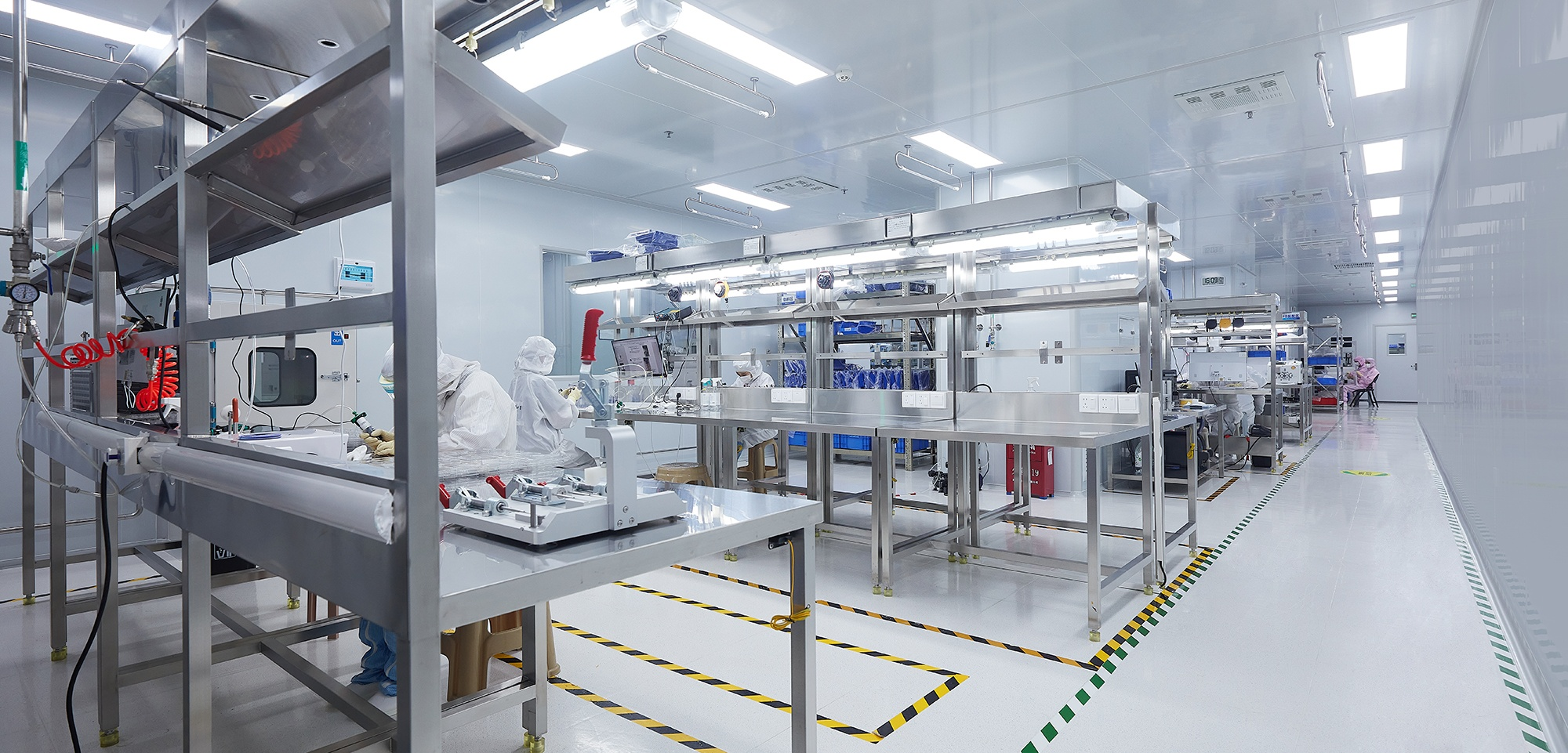
Establishing an in-house manufacturing facility capable of producing medical-grade equipment requires massive upfront capital investment. This may include qualifying an appropriately classified cleanroom where the product’s contamination-control requirements make one necessary, as well as procuring specialized manufacturing equipment.
For the vast majority of startups, this level of capital expenditure is prohibitive. Diverting limited venture capital funding away from core research, clinical trials, and sales team development to build a manufacturing plant is strategically unsound. It drastically increases the company’s cash burn rate and extends the timeline to profitability. The burden of CapEx forces startups to seek alternative operational models that allow them to scale production dynamically without absorbing the paralyzing costs of owning the physical infrastructure.
Leveraging Medical Device Contract Manufacturers
To overcome the interrelated challenges of scalable engineering, regulatory compliance, and prohibitive capital costs, successful startups increasingly rely on strategic outsourcing. Partnering with established medical device contract manufacturers is a fundamental business strategy that enables emerging companies to accelerate their time-to-market while mitigating operational risk.
A specialized contract manufacturing partner acts as a seamless extension of the startup’s internal team. These organizations provide immediate access to fully integrated, cGMP-compliant manufacturing infrastructure. For example, comprehensive partners like Kingsin Technology offer end-to-end solutions that span from initial DFM and custom product design to scalable cleanroom production. By utilizing a contract manufacturer, startups bypass the need for massive capital investment, allowing them to remain agile and financially lean.
Furthermore, experienced contract manufacturers provide invaluable regulatory support. Capable organizations generate critical regulatory documentation concurrently with the engineering and manufacturing phases, ensuring that the startup’s product is designed for compliance from day one. This integrated approach drastically reduces the logistical bottlenecks associated with securing regulatory clearances.
Supply Chain Reliability and Buyer Confidence
In the B2B healthcare market, procurement professionals and clinical directors prioritize reliability and supply chain stability. Even if a startup develops a superior technology, institutional buyers are hesitant to adopt it if there are doubts about the company’s ability to deliver consistent, defect-free products on time. Startups inherently lack a proven track record, which can hinder early sales efforts.
Collaborating with a reputable contract manufacturer directly addresses this trust deficit. A specialized manufacturing partner provides a robust, resilient supply chain with established component sourcing and rigorous quality control systems. When a startup can demonstrate that its production is managed by an experienced, ISO-certified facility, it instantly elevates its credibility in the eyes of distributors and purchasing committees. This assurance of operational stability is a critical factor in closing enterprise-level sales contracts and establishing a strong initial market presence.
Conclusion
Bringing a new medical device to market as a startup involves navigating a labyrinth of engineering, regulatory, and financial hurdles. The complexities of scaling production and achieving stringent compliance standards can quickly overwhelm lean organizations, delaying market entry and jeopardizing early revenue generation.
By strategically outsourcing production to experienced medical device contract manufacturers, startups can effectively neutralize these operational challenges. A comprehensive manufacturing partner provides the vital infrastructure, regulatory expertise, and scalable capacity needed to transition a prototype into a commercially viable product. Ultimately, leveraging these specialized B2B partnerships allows healthcare technology startups to focus their capital and resources on their core competencies—innovation and market expansion—thereby driving sustained commercial success in a highly competitive industry.
