

Water park profitability depends on more than ticket sales and attraction popularity. Daily maintenance decisions can have a direct effect on equipment life, water quality, energy consumption, labor requirements, and unexpected downtime. Yet many operators overlook small maintenance issues until they become expensive repairs.
For developers and facility managers, understanding common water park maintenance mistakes can protect both the guest experience and long-term operating margins. A reliable water park manufacturer can also help operators establish practical maintenance procedures from the beginning.
Neglecting Preventive Inspections
One of the costliest mistakes is waiting for equipment to show obvious signs of failure before taking action. Preventive inspections allow operators to identify wear, blockage, damaged fittings, surface problems, or abnormal equipment performance before they develop into major repairs.
The CDC’s Model Aquatic Health Code recommends preventive maintenance inspections at aquatic facilities and calls for daily checks before opening. These checks include recirculation and disinfection systems, suction outlet covers, safety equipment, signs, lighting, water clarity, and aquatic features.
For operators, this means maintenance should be treated as a scheduled operating activity rather than an emergency response. A documented inspection routine can also help maintenance teams identify recurring problems and plan replacement work during low-demand periods.
Treating Water Quality as Only a Chemical Issue
Water treatment is another area where small oversights can become expensive. Operators sometimes focus heavily on adding chemicals while paying less attention to filtration, circulation, controllers, probes, and physical cleanliness.
The CDC recommends checking that recirculation, disinfection, secondary treatment systems, controllers, and probes are functioning properly as part of preventive inspections. It also emphasizes removing slime and biofilm from accessible surfaces, including slides and other aquatic features.
A better approach is to manage the complete treatment system. Poor filtration or circulation can increase chemical demand and create additional cleaning work. Consistent testing, equipment inspection, and recordkeeping can therefore help reduce water park operating costs while supporting healthier water conditions.
Ignoring the Slide Surface
A water slide is exposed to continuous water flow, rider traffic, cleaning procedures, sunlight, and changing environmental conditions. Ignoring its surface condition can eventually affect appearance, ride performance, and maintenance requirements.
Operators should inspect accessible slide surfaces for cracks, unusual wear, loose components, contamination, or other changes. Cleaning should follow the attraction manufacturer’s instructions rather than relying on improvised methods that could damage the surface.
This is especially important for major attractions that receive heavy daily use. A water park manufacturer with appropriate technical documentation can provide maintenance guidance for the specific materials and construction methods used in the attraction.
Choosing Attractions Without Considering Maintenance
Maintenance costs begin before a park opens. When developers select attractions solely according to appearance or visitor excitement, they may overlook access requirements, cleaning procedures, spare parts, structural inspection needs, and operating complexity.
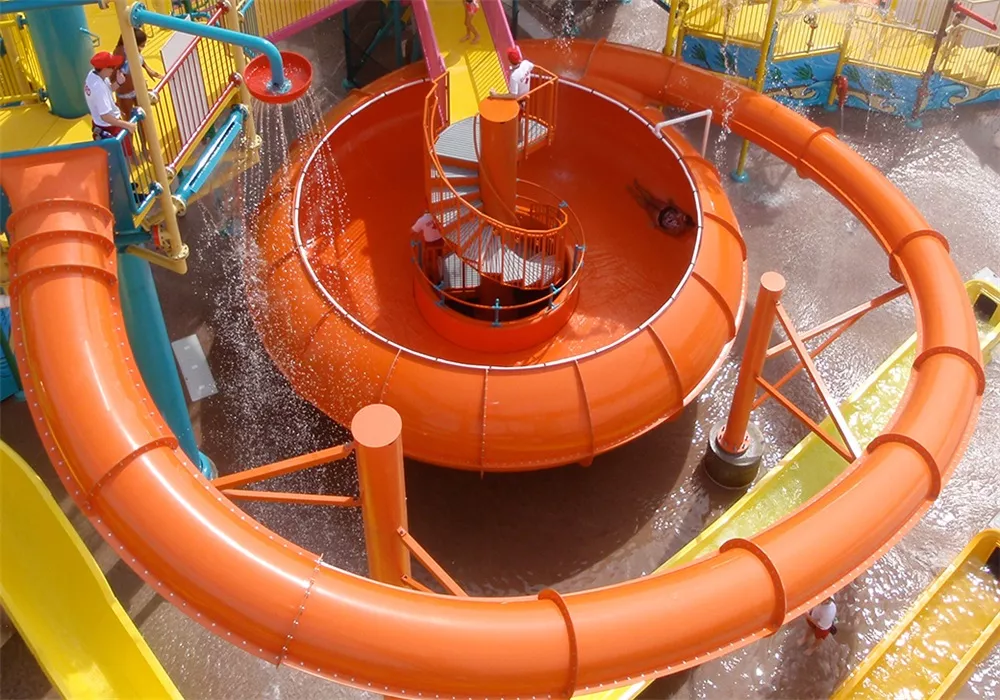
Jinchao’s Super Bowl Slide demonstrates why these factors should be considered during procurement. The attraction has a starting height of 8–15 meters and accommodates 1–2 people. Its strong visual appearance can also make it part of the park’s landscape. Riders travel through high-speed sections before entering the bowl, where the raft circulates toward the center before reaching the splash pool.
For a commercial operator, an attractive water slide should therefore be evaluated as both a guest attraction and an operational asset. Maintenance access and technical support deserve attention alongside visual impact.
Failing to Keep Maintenance Records
Another quiet source of unnecessary spending is incomplete documentation. Without maintenance records, managers may not know how frequently components require attention, which equipment repeatedly develops problems, or whether a repair actually solved an underlying issue.
The CDC guidance includes recordkeeping for safety and preventive maintenance inspections. A structured log can record inspection dates, findings, corrective actions, replacement parts, water treatment checks, and responsible personnel.
These records can turn maintenance from a reactive task into a measurable management process. They can also help management identify whether repeated repairs are costing more than planned replacement or equipment upgrades.
Delaying Small Repairs
A loose fitting, blocked drain, worn component, or damaged protective element may appear insignificant when the park is busy. Delaying it, however, can increase the chance of secondary damage or an unexpected attraction closure.
Operators should establish clear thresholds for immediate repair, scheduled repair, and continued monitoring. Staff should also know whom to contact when a problem exceeds their routine maintenance capabilities.
A responsive water park manufacturer can be valuable when specialized technical assistance or replacement components are required. Jinchao states that it provides installation guidance, operational and maintenance training, a one-year warranty for its listed Super Bowl Slide, and lifetime technical support for its equipment.
Making Maintenance Part of the Business Strategy
Effective aquatic facility maintenance is not simply a technical responsibility. It supports asset longevity, operational continuity, safety, and financial planning. The CDC describes maintenance and operation as critical components of aquatic health and safety and highlights preventive maintenance plans, equipment inventories, operations manuals, and daily records as useful management practices.
For developers, these principles should be incorporated into project planning before the first attraction is installed. Working with an experienced water park manufacturer can help connect attraction selection with installation, operating procedures, training, and after-sales support.
Protecting Long-Term Park Performance
A successful water park is built to generate revenue over years, not merely to create excitement at opening. Preventive inspections, proper water treatment, slide care, accurate records, timely repairs, and informed equipment selection can all reduce avoidable expenditure.
Jinchao‘s Super Bowl Slide illustrates the value of considering attraction design together with operational requirements. Its 8–15-meter starting height and 1–2-person riding configuration create a distinctive centerpiece, while proper maintenance helps preserve its appearance and performance. For operators, disciplined maintenance is ultimately an investment in safer operations, longer asset life, and more predictable business performance.
