

Truck incidents rarely involve only one question. Fleet teams need to know what happened before the event, how the driver reacted, where the vehicle was, and what information dispatch had at the time. A structured review process brings these details together.
For logistics operators, this process can reduce guesswork after collisions, harsh braking events, route deviations, cargo disputes, or unsafe driving reports. The value comes from connecting driver statements with video, vehicle data, and operating records.
Why Incident Review Needs More Than a Driver Statement
Driver statements are useful, but they may not capture every detail. Stress, limited visibility, and changing road conditions can affect how an incident is remembered. Fleet managers therefore need records that show vehicle movement and surrounding conditions.
Video, GPS history, speed data, timestamps, and alert records give investigators a clearer timeline. When these sources are linked through logistics fleet management software, reviewers can compare road events with operating data recorded at the same moment.
A sudden brake, for example, may result from another vehicle, congestion, or driver distraction. Looking at one record alone can create the wrong conclusion. Multiple data sources provide more context and help reviewers separate a one-time road event from a recurring operational problem.
What Video Evidence Adds to the Review Process
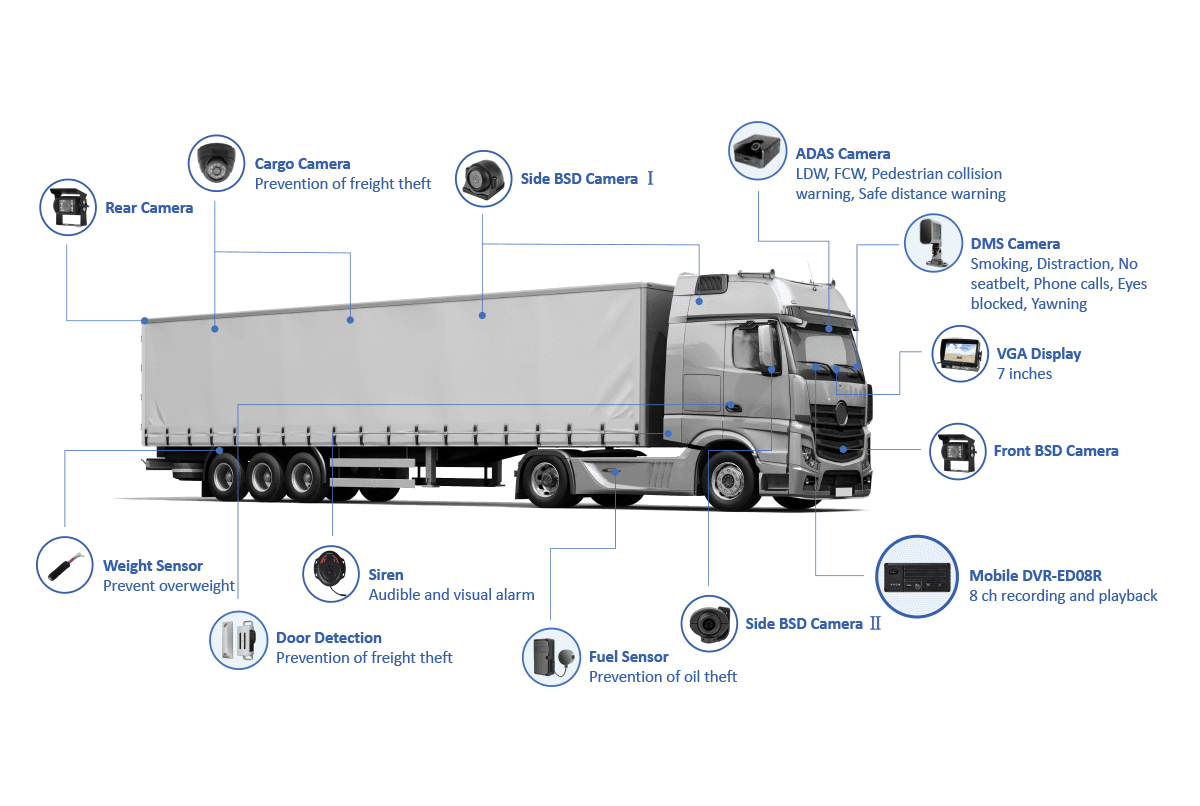
Video is useful when responsibility is disputed. Forward-facing footage can show lane position, traffic movement, and road conditions. In-cab footage can show whether the driver was attentive. Multi-channel video can also capture activity beside or behind a truck.
This is where transport fleet management supports a more complete review. Managers can examine footage together with location history, speed records, and driver alerts. That combination can support internal investigations, insurance discussions, and driver coaching.
The practical value of video also depends on retrieval. Time-based searches, event tags, and trip records help teams find the relevant segment without checking hours of unrelated footage.
How AI Alerts Explain What Happened Before Impact
Incident review should not begin only at the moment of impact. Many events develop several seconds earlier. Lane departure, unsafe following distance, distraction, and fatigue can create warning signs before a collision or near miss.
AI-based driver assistance and driver monitoring records add this earlier context. An ADAS warning may show that collision risk was detected before hard braking. A DMS alert may indicate distraction or fatigue before a vehicle moved out of its lane.
For logistics and trucking fleets, BSJ Technology provides AI dashcams, GPS trackers, and multi-channel MDVR systems designed for heavy commercial vehicles. Recorded video, ADAS alerts, DMS fatigue detection, and GPS data can give fleet teams more evidence to review after an incident.
GPS Data Connects the Event to Fleet Operations
Location data adds another layer to the investigation. Managers can confirm where the truck was, whether it followed the assigned route, and what happened immediately before and after the event.
When logistics fleet management software stores route history with event records, reviewers can check whether congestion, detours, late departures, or unplanned stops affected the situation. The investigation then includes operating conditions instead of focusing only on the driver.
GPS records can also support disputes involving delivery timing or vehicle presence. They create a factual timeline that can be compared with dispatch instructions, customer records, and driver reports. This helps teams identify whether the incident was linked to routing, scheduling pressure, or an isolated road event.
Turning Review Findings Into Corrective Action
A useful review should end with action. Managers need to decide whether the event points to a training issue, route planning problem, vehicle risk, dispatch gap, or repeated driving pattern.
This is where transport fleet management helps teams compare one event with earlier records from the same driver, route, vehicle type, or operating area. Repeated harsh braking on one route may suggest congestion, poor timing, or pressure created by delivery schedules.
Findings can then guide targeted coaching. Drivers may need support on following distance, fatigue management, reversing, or urban route awareness. Operations teams may also adjust route plans, shift timing, or dispatch procedures when the evidence shows a wider operational cause.
Data Integration Can Shorten the Review Process
Incident review becomes slower when video, GPS, and fleet records sit in separate systems. Teams may need to search several platforms, match timestamps manually, and request files from different departments.
For system integrators and fleet solution providers, open integration can make this process more practical. BSJ Technology supports connections with third-party platforms such as Wialon and GpsGate, which can help device data work within an existing fleet management environment.
Hardware compatibility, data access, and platform integration should be reviewed before deployment. These factors affect how quickly teams can retrieve records and build a clear timeline after an incident.
A More Reliable Basis for Post-Incident Decisions
Truck incident review works better when managers can connect video, driver alerts, GPS history, and operating records. Each source answers a different part of the investigation, while together they create a more complete sequence of events.
Using logistics fleet management software and transport fleet management in this way can support claims review, driver coaching, route analysis, and internal safety discussions. The purpose is not simply to collect more data. It is to give fleet teams usable evidence for understanding what happened and deciding what should change next.
