

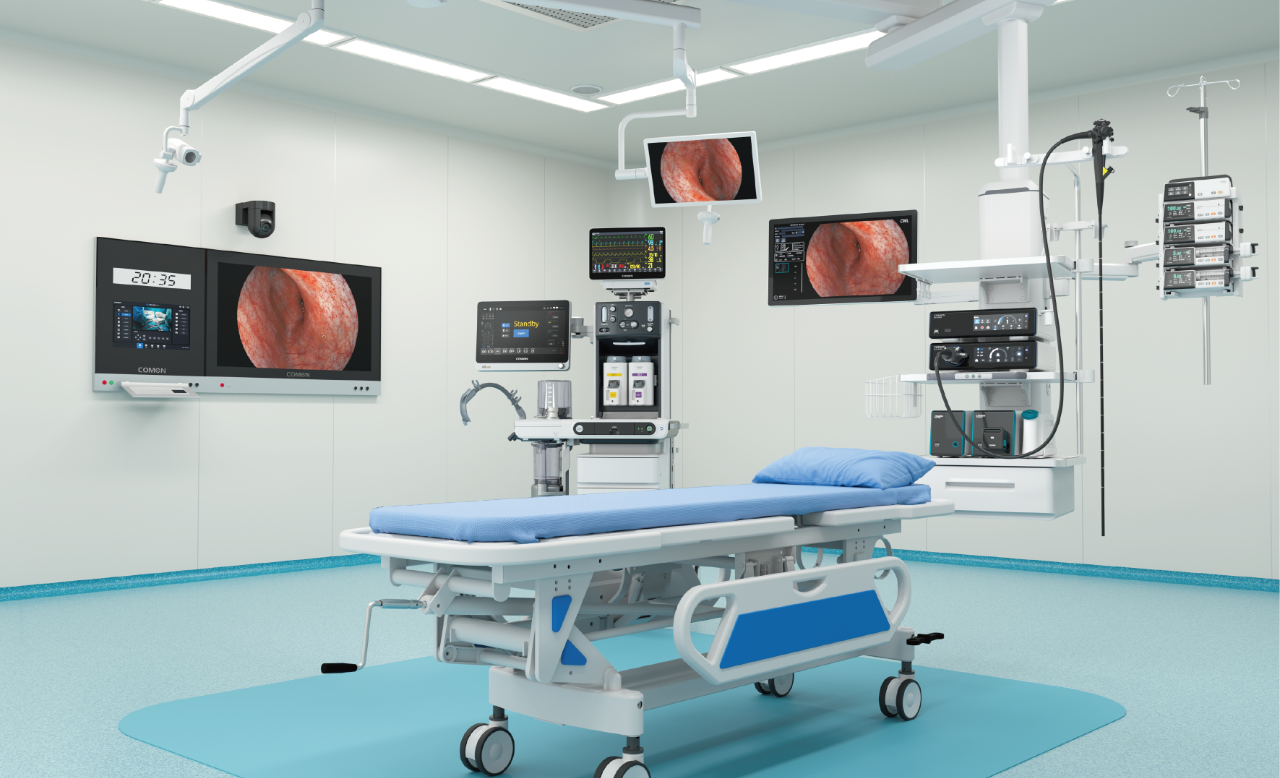
Healthcare providers utilize sophisticated diagnostic tools to evaluate the internal state of the digestive tract with high precision. When symptoms like persistent abdominal pain, difficulty swallowing, or chronic acid reflux arise, medical teams often turn to specialized equipment to visualize the mucosal lining. The ugi scope serves as a vital instrument in this process, allowing clinicians to inspect the esophagus, stomach, and duodenum. By using these advanced imaging devices, they can identify structural abnormalities or tissue changes that might otherwise remain hidden during a standard external physical examination.
Identifying Esophageal Complications
Diagnostic procedures frequently focus on the esophagus to determine the cause of heartburn or chest pain. Through the use of a gastrointestinal endoscope, practitioners can detect signs of esophagitis, which is the inflammation of the esophageal lining often caused by gastric acid. They are also able to identify more serious conditions such as Barrett’s esophagus or esophageal strictures that narrow the passage of food. The high-definition visualization provided by the hardware ensures that even minor lesions are documented for further biopsy or treatment planning.
Detecting Gastric and Peptic Ulcers
Within the stomach, the application of a ugi scope is essential for spotting gastric ulcers or various forms of gastritis. The device allows for a direct view of the stomach wall, helping medical professionals locate bleeding sites or suspicious masses that require immediate attention. These examinations assist in confirming the presence of H. pylori infections or the impact of long-term medication use on the stomach lining. By capturing clear, real-time footage, the clinical team can make informed decisions regarding patient care and recovery protocols.
Evaluating Duodenal Pathologies
Beyond the stomach lies the duodenum, where a gastrointestinal endoscope is used to check for duodenal ulcers or malabsorption issues like celiac disease. The flexibility and slim design of the EIS-2000 system allow it to reach the upper part of the small intestine comfortably, providing a comprehensive view of the upper digestive anatomy. Physicians examine this area to rule out tumors or inflammatory markers that affect nutrient absorption. This thorough inspection ensures that the entire upper gastrointestinal region is assessed for any pathological developments.
The clinical utility of specialized imaging systems remains a cornerstone of modern gastroenterology. By integrating the EIS-2000 into their workflow, COMEN supports medical facilities in achieving accurate and timely results for various patient populations. These diagnostic interventions provide the clarity needed to manage complex digestive health issues effectively.
