

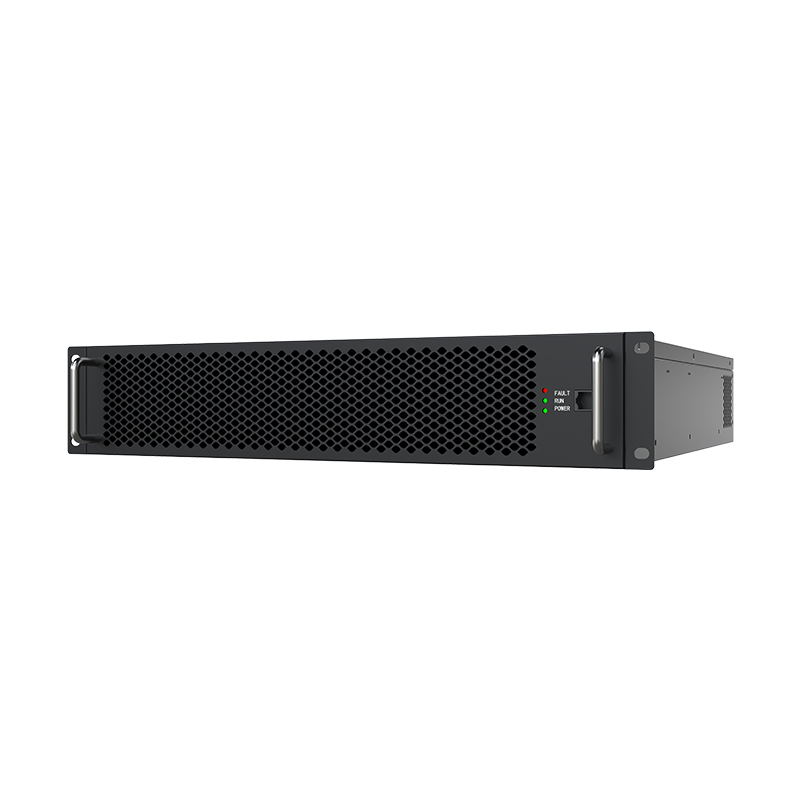
Extensive integration of variable frequency drives across modern industrial facilities dramatically enhances motor speed regulation and reduces overall energy consumption. However, six-pulse and twelve-pulse diode rectifiers within drive front-ends draw non-linear currents, injecting significant harmonic pollution into electrical distribution lines. Facility engineers managing steel mill power quality inspect total harmonic current distortion across main busbars to prevent harmonic resonance, switchgear heating, and unexpected protective relay tripping.
Operating as an established power electronics manufacturer, Enjoypowers produces specialized power conditioning equipment designed for heavy-duty industrial applications. Backed by proprietary research and development, custom engineering capabilities, tested operational stability, and responsive technical service, the company assists engineering teams with custom project evaluations. Plant managers and electrical engineers are encouraged to submit technical inquiries to receive comprehensive harmonic audits and tailored equipment recommendations.
Mechanics of Non-Linear Current Injection in AC Drives
Diode and thyristor bridges at the input stage of variable speed drives pull current in discrete pulses rather than smooth sinusoidal curves. Current spikes create voltage waveform distortion across upstream transformers as harmonic currents interact with system impedances.
Unmitigated fifth, seventh, eleventh, and thirteenth harmonic frequencies circulate back into regional distribution switchgear. High current distortion elevates thermal stress on transformer windings, reducing nominal transformer loading capacity across processing plants.
Evaluating Passive Line Reactors and Passive L-C Filters
Installing AC line reactors or DC link chokes provides a straightforward first line of defense by smoothing input current pulses. Series inductors attenuate high-frequency harmonics, reducing total current harmonic distortion down to lower levels under full load conditions.
Passive L-C trap filters tuned to specific harmonic frequencies offer deeper attenuation for fixed-load drive operations. However, passive filter banks risk dynamic harmonic resonance with grid impedances when utility background voltage distortion varies.
Active Harmonic Filtering Mechanisms for Dynamic Drive Fleets
Dynamic industrial operations with rapidly shifting drive loads require active power conditioning equipment capable of real-time waveform correction. High-speed digital signal processors measure load current harmonics, generating equal opposing current signals to cancel non-linear distortion instantly.
Active filters adjust current injection dynamically across fluctuating production cycles while helping avoid the resonance conditions associated with passive filtering. Suppressing harmonic currents maintains clean busbar voltage, protecting delicate programmable logic controllers downstream.
Deploying Compensation Systems in High-Capacity Utility Networks
Industrial facilities with large VFD fleets require effective harmonic and reactive power management at key distribution points. Deploying power quality equipment at the appropriate bus helps reduce harmonic distortion and maintain stable power quality across plant distribution networks. Utilizing specialized power quality products for the utilities industry helps grid operators stabilize feeder lines and prevent cumulative harmonic voltage amplification.
Centralized power conditioning installations mitigate voltage distortion at primary substations before harmonic pollution spreads into neighboring industrial feeders. Systemic filtering maintains regional grid power quality standards during peak demand periods.
Addressing Dynamic Power Factor and Load Unbalancing Issues
Variable frequency drive fleets operate at low power factors during light-load conditions, absorbing reactive current from distribution transformers. Dynamic reactive compensation hardware injects leading or lagging reactive currents within milliseconds, achieving an optimal operational power factor of PF 0.99.
Simultaneously, unbalance correction algorithms rebalance phase currents across three-phase distribution lines, lowering neutral current flow. Mitigating phase unbalances lowers operating temperatures across distribution switchgear and supply cables.
High-Capacity Modular Architectures for Heavy Processing Plants
Severe operational environments like chemical plants, paper mills, and automotive manufacturing lines require scalable power quality hardware. Deploying steel mill power quality solutions from 50 kVA single modules up to multi-megawatt SVGC installations allows facility engineers to match compensation capacity to dynamic plant requirements across five distinct voltage classes.
Modular power units simplify capacity expansion as new drive fleets are added to existing production lines. Redundant module configurations support uninterrupted operation during routine maintenance cycles.
Performance Benchmarks in Heavy-Duty Industrial Applications
Achieving compliant power quality performance requires maintaining harmonic distortion levels within strict international grid standards. Advanced active filtering modules lower current distortion to target levels of THDi < 5%, maintaining clean sinusoidal current waveforms across heavy industrial distribution lines.
Lowering harmonic current levels reduces thermal degradation of transformer insulation and power factor correction capacitors. Plant operators extend electrical infrastructure longevity while avoiding non-compliance financial penalties.
Integrating Utilities-Grade Equipment in Modern Substation Design
Substation designers incorporate dynamic reactive power and harmonic compensation hardware directly into utility switchgear assemblies. Choosing validated power quality products for the utilities industry streamlines grid code compliance verification for large-scale renewable interconnections and industrial parks.
Standardized communications interfaces transmit real-time voltage, current, and total harmonic distortion metrics to central SCADA systems. Continuous monitoring capabilities support predictive maintenance workflows across regional utility networks.
Conclusion
Selecting suitable harmonic mitigation strategies for variable frequency drive fleets remains essential for maintaining plant stability and grid compliance. Implementing targeted steel mill power quality solutions mitigates harmonic pollution, balances phase loads, and stabilizes site power factors across complex processing environments.
Backed by dedicated R&D, flexible manufacturing, tested system performance, and global service coverage, Enjoypowers provides power conversion solutions for demanding industrial and utility environments. Engineering procurement managers, utility project planners, and facility operators can reach out directly to receive customized harmonic filter proposals and technical documentation aligned with their project requirements.
