

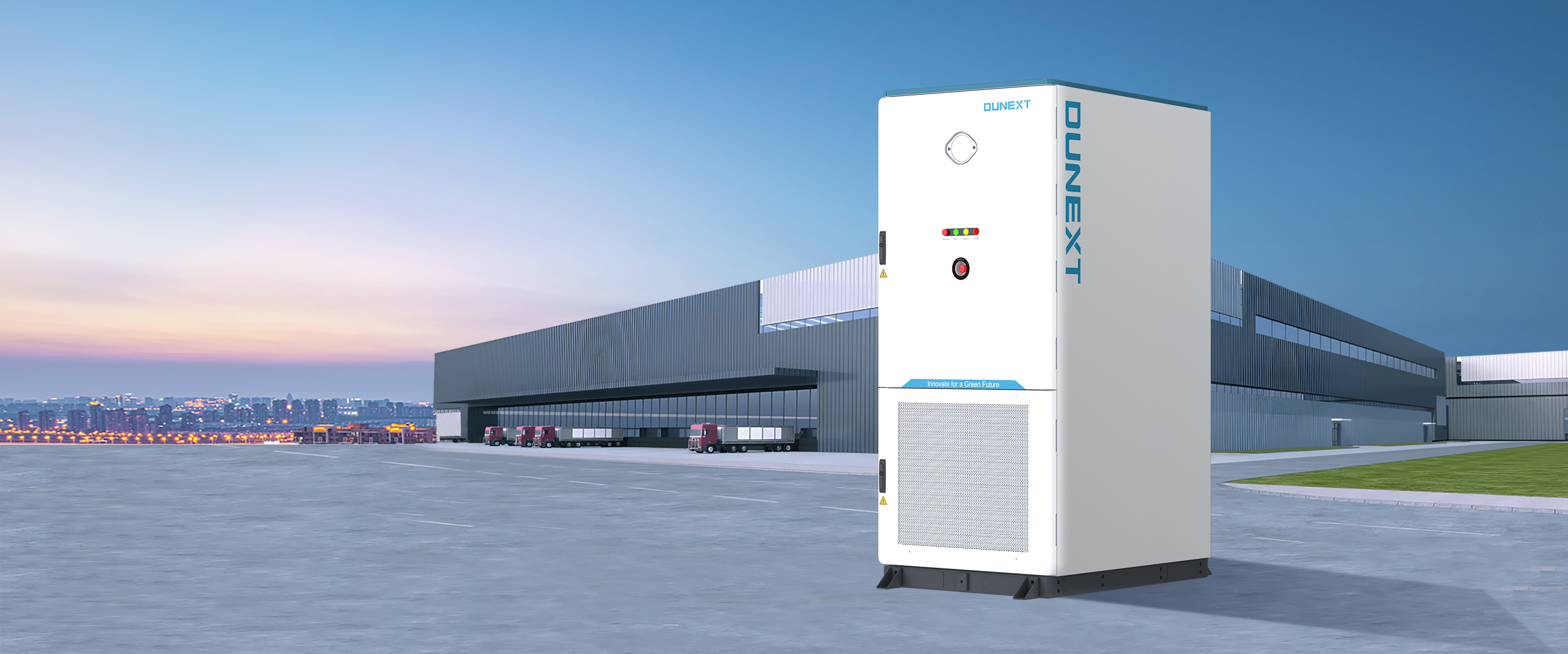
Volatile electricity markets impose substantial operational expenses on commercial facilities through demand tariffs and time-variable rates. Commercial facilities utilize modern electrical energy storage to shift heavy power draw away from expensive grid intervals toward low-cost off-peak windows. Suppressing extreme electricity spikes lowers monthly capacity charges without interrupting facility workflows. Integrators like Dunext deliver high-density storage platforms configured to manage facility load profiles continuously.
Dynamic power discharge mechanisms offset peak facility demand smoothly during high-consumption cycles. Storing grid power or local solar generation during low-rate periods establishes predictable operational energy budgets.
Lowering peak demand protects operational profitability across power-intensive industries. Smart power dispatch improves overall facility efficiency over extended horizons.
Thermal Architecture Precision in Commercial Battery Systems
High-power discharge routines generate substantial internal heat within high-density energy storage enclosures. Advanced liquid thermal management circulates coolant fluid directly across module cold plates, maintaining uniform cell temperatures across all racks. Equalizing internal temperatures extends chemical battery life and preserves usable storage capacity.
Deploying specialized energy storage solutions mitigates severe thermal gradients common in conventional forced-air cooling systems. Modern equipment like the PowerHill 233kWh cabinet integrates auto-coolant replenishment circuits to maintain peak heat dissipation efficiency during heavy cycling, cutting routine cooling system maintenance workload throughout the full service life of the energy storage asset.
Electrochemical Cell Mechanics and High-Density Packaging
Lithium Iron Phosphate (LFP) chemistry serves as the baseline standard for industrial energy projects due to its intrinsic thermal safety and long operational life. Packing high-capacity 314Ah cells within compact enclosures optimizes energy density per square meter of real estate.
Modular systems like the containerized PowerMount 5MWh platform feature integrated cell-to-pack structural frameworks, protecting internal battery strings against physical stress. Physical separation between parallel electrical strings prevents localized thermal issues from spreading across neighboring modules.
High volumetric energy density minimizes space requirements on commercial job sites. Reduced physical footprints lower civil construction costs during facility site preparation, supporting flexible layout deployment for factories, rooftop stations and compact industrial parks with limited land resources.
Layered Protection Engineering and Rapid Isolation Standards
Industrial battery systems require comprehensive safety engineering to protect physical facility assets and operating personnel. Multi-point off-gas detection networks identify early chemical venting, triggering automated isolation sequences before thermal escalation occurs.
Deploying versatile energy storage solutions requires fast electrical response times during unexpected power fluctuations. Industrial backup systems achieve sub-20-millisecond switchover speeds, maintaining uninterrupted power supply during sudden utility sags. Localized aerosol fire suppression units activate automatically upon detecting abnormal heat spikes, isolating combustion within individual cabinet zones.
Segmented electrical engineering isolates compromised sub-systems without taking the entire facility storage asset offline. Containment protocols maintain power availability across remaining operational circuits, safeguarding continuous production for power-critical manufacturing workshops and data center loads.
Telemetry Systems, EMS Controls, and Cloud Diagnostics
Digital control software interfaces physical battery hardware with dynamic utility grid markets and internal site loads. Local Energy Management Systems calculate individual cell state-of-charge metrics, manage phase balancing, and execute automated dispatch commands.
Advanced electrical energy storage infrastructure utilizes cloud telemetry dashboards to deliver visual monitoring and predictive maintenance analytics. Tracking subtle changes in internal resistance allows maintenance teams to service components before functional breakdowns occur.
Automated telemetry streams streamline energy accounting and regulatory compliance tracking. Visualized data management optimizes financial performance through dynamic tariff arbitrage.
Enclosure Durability for Challenging Outdoor Environments
Installing commercial storage hardware outdoors requires structural protection capable of withstanding harsh weather conditions, dust, and humidity. High-grade protective enclosures with IP67 ingress protection seal internal electronics against moisture accumulation and airborne debris.
Specialized exterior coatings, such as C5 anti-corrosion treatments, prevent structural rust and enclosure degradation over long operational lifecycles. Sealed electrical junction boxes help limit moisture exposure and reduce the risk of moisture-related electrical faults.
Heavy-gauge steel cabinets shield sensitive power conversion hardware from severe external impacts. Durable physical housing maintains long-term structural integrity in challenging climate zones.
Financial Benefits of Tariff Arbitrage
Industrial electricity bills depend heavily on peak demand charges assessed during short high-use intervals. Discharging stored energy during peak operational windows flattens site demand profiles, lowering monthly electricity expenses.
Combining demand charge mitigation with time-of-use tariff arbitrage accelerates total project capital recovery. Operations charge battery banks using low-cost off-peak power or excess onsite solar generation for later dispatch. This dual profit model greatly shortens the payback cycle for energy storage investment and boosts long-term project net returns.
Predictable energy costs insulate commercial facility budgets against volatile wholesale electricity pricing. Capital investment in battery storage yields multi-year operational cost reductions.
Strategic Criteria for Commercial Energy Storage Selection
Transitioning toward resilient commercial operations requires adopting robust battery hardware engineered for long-term power stability. Decision-makers evaluate technical specifications, environmental protection ratings, and software management features when selecting storage infrastructure.
Forward-thinking technology providers like Dunext show how modular system design and advanced liquid cooling support sustainable power management. Investing in durable storage systems builds a reliable, flexible power foundation for commercial operations worldwide.
