

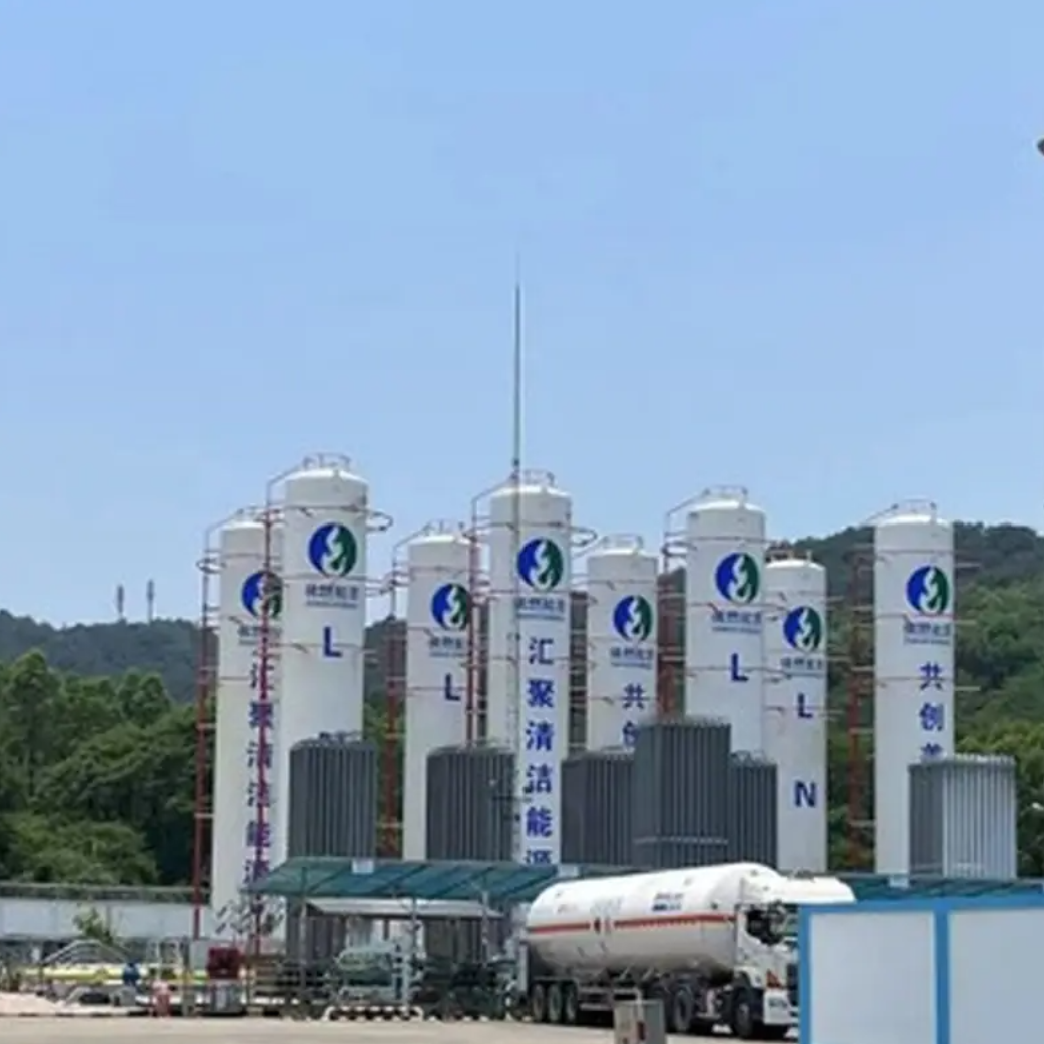
Raw natural gas extracted from wellheads contains impurities and volatile liquids. Before this resource can be introduced into commercial pipelines, it must undergo extensive refinement. This purification occurs within highly specialized industrial facilities designed to strip away contaminants and separate valuable hydrocarbon liquids from the primary methane stream.
Throughout these complex refining stages, operators frequently need to manipulate gas pressure to accommodate different chemical reactions. Traditionally, this pressure reduction is achieved using standard throttling valves. While this method effectively lowers the pressure to required limits, it completely wastes the immense kinetic energy naturally stored within the compressed gas stream.
To capture this wasted kinetic energy, forward-thinking operators are installing specialized rotating expansion machinery. By utilizing an expansion turbine, facilities can accurately reduce gas pressure while simultaneously generating mechanical work or clean electrical power. However, determining if this advanced technology is truly suitable for a specific processing train requires a comprehensive engineering evaluation.
Evaluating Core Process Conditions
The suitability of energy recovery equipment depends heavily on the specific stage of refinement. A modern natural gas processing plant consists of multiple, interconnected trains. These complex systems include amine sweetening units for acid gas removal, dedicated dehydration skids to eliminate water vapor, and deep cryogenic sections for maximum natural gas liquid recovery.
Each of these distinct processing stages operates under unique physical and chemical conditions. The most critical factor for expander viability is the available pressure ratio. There must be a substantial and consistent difference between the high inlet pressure entering the turbine and the required lower discharge pressure exiting the unit into downstream piping.
A marginal pressure ratio will not generate sufficient mechanical torque to justify the significant capital investment required. Furthermore, the pressure differential must remain stable over time. If upstream wellhead pressures fluctuate wildly, the expansion turbine will constantly struggle to maintain aerodynamic stability, leading to highly inefficient operation and potential mechanical stress.
Throughput Volume and Aerodynamic Matching
Alongside pressure ratios, facility engineers must analyze the overall historical gas throughput. High-speed expansion turbines inherently require a steady, high-volume flow of gas to operate at peak efficiency. If a processing train experiences severe seasonal flow variations or frequent low-flow scenarios, a standard turbine may easily experience aerodynamic stall or damaging surge conditions.
This aerodynamic sensitivity explains why a generic, off-the-shelf model is rarely suitable for every processing train. The turbine wheel, stationary inlet nozzles, and internal flow paths must be meticulously custom-engineered to match exact historical flow data. Precise aerodynamic matching ensures maximum energy extraction and mechanical reliability across the specific site’s intended operating range.
Temperature Dynamics and Thermodynamic Limits
Expanding compressed gas through a spinning turbine extracts mechanical work, resulting in a rapid and severe temperature drop. This inescapable thermodynamic reality acts as a double-edged sword. In certain designated sections of the facility, this extreme cold is highly desirable and can be actively utilized to support other essential chemical separation processes.
For example, utilizing a turbo expander in gas plant cryogenic sections is standard industry practice. The severe temperature drop actively forces heavier hydrocarbons to condense rapidly into highly valuable liquids. In this highly specific application, the primary operational goal of the turbine is deep refrigeration, with electrical power generation serving as a secondary benefit.
Managing Hydrates and Freezing Risks
Conversely, if the expansion equipment is installed upstream before the primary dehydration units, the sudden temperature drop poses a severe operational risk. Depending on the gas composition, water content, pressure, and temperature, expansion may lead to hydrate formation or ice formation. These solid ice formations can severely damage high-speed turbine blades and completely block downstream piping networks.
To effectively mitigate this severe freezing risk, operators must integrate robust pre-heating systems immediately before the expansion stage. The ongoing fuel costs and thermal energy required to operate these pre-heaters must be weighed against the electrical power generated. If heating costs exceed power revenues, the installation may not be economically practical.
Integration and Operational Continuity
A commercial gas processing facility operates continuously, meaning any new equipment must integrate seamlessly without threatening overall plant uptime. An expansion turbine is a complex piece of rotating machinery that will eventually require routine maintenance, bearing lubrication checks, and internal mechanical inspections, all of which necessitate periodic, planned equipment shutdowns.
To guarantee strict operational continuity, the overall system design must include fully automated, fast-acting bypass valves installed in parallel. If the turbine unexpectedly trips offline or requires scheduled maintenance, these critical valves instantly open to safely route gas through traditional throttling methods, ensuring downstream processing trains never experience a supply loss.
Dealing with Harsh Gas Compositions
Operational continuity also depends heavily on proper material selection. Raw gas often contains highly corrosive elements like hydrogen sulfide. Exposing standard turbine materials to these harsh contaminants at high velocities leads to rapid erosion. Engineers must specify advanced metallurgy and specialized protective coatings to ensure the turbine can withstand specific chemical makeups.
Ensuring Safe Digital Control Integration
Finally, mechanical integration must extend directly into the facility’s digital control architecture. The turbine’s programmable logic controllers must communicate flawlessly with the plant’s overarching distributed control system. This integration allows operators to monitor critical vibration metrics and exact shaft speeds from the central control room, ensuring safe and highly synchronized continuous operation.
Matching Expander Design to Processing Plant Realities
A turbo expander fits a processing plant only when stable pressure ratio, steady throughput, gas composition, and freeze control align with the plant’s operating train. Beyond power output, the bigger value often lies in cryogenic support and pressure-energy recovery without disrupting continuous processing. Joulong Energy Technology Co., Ltd. develops turbine expanders and natural gas pressure differential power generation systems with in-house R&D, delivering customized, zero-extra-fuel recovery solutions for complex gas environments. Contact Joulong to review your plant’s process data and identify suitable expansion stages.
