

Construction projects often require temporary structures that can support workers, equipment, and materials throughout different stages of development. Scaffolding selection is not only related to product purchase but also involves project planning, installation methods, safety considerations, and long-term usage value. Choosing a suitable ringlock scaffolding supplier can help buyers understand system features, application requirements, and project preparation needs more clearly.
For contractors, builders, and distributors, a suitable supplier should provide more than standard equipment. Understanding project conditions and offering practical support can help buyers choose systems that match their actual requirements. A reliable partnership can reduce communication difficulties and improve project preparation.
Why Scaffolding Selection Requires More Than Basic Product Information
Many construction companies consider ringlock scaffolding because of its modular structure and flexible application possibilities. However, choosing a suitable system requires attention to various factors, including working height, load requirements, site layout, and installation conditions.
Product specifications provide important references, but they are only part of the decision process. Buyers also need to understand how different components work together and whether the system can be adjusted for different construction environments.
A professional ringlock scaffolding supplier should provide clear information about materials, connection methods, and product applications. This allows customers to compare options based on project needs instead of focusing only on price or appearance.
Supplier communication is also important during the early planning stage. Discussions about technical requirements, delivery schedules, and application conditions can help avoid misunderstandings before construction begins. This type of support creates more efficient cooperation between suppliers and buyers.
Material and Structural Factors Affecting Scaffolding Performance
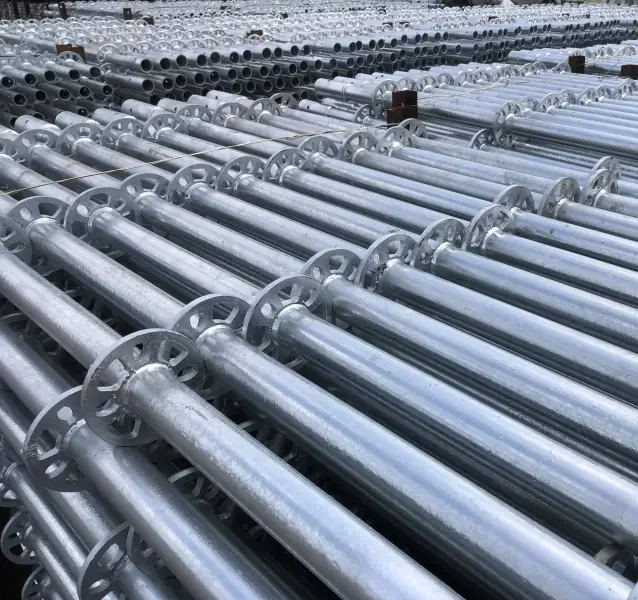
The material quality of scaffolding directly influences its structural performance. High-strength Q235/Q355 steel material is used for applications that require stable support and suitable load capacity. Different construction projects may have different requirements, so material selection should match the expected working conditions.
Surface protection is another factor that affects product service life. Hot-dip galvanized treatment provides excellent anti-corrosion performance, which helps the scaffolding maintain stable conditions in outdoor environments. This feature is useful for projects where equipment may face moisture or changing weather conditions.
The connection structure also affects installation efficiency. The wedge-lock connection allows workers to assemble and adjust scaffolding components in a practical way. A simple connection method can support smoother installation processes and reduce unnecessary complexity during construction.
When reviewing ringlock scaffolding, buyers should consider structural stability, loading capacity, and component compatibility. These elements influence whether the equipment can support different applications and repeated project use.
How Different Projects Influence Scaffolding Choices
Construction environments are different from one project to another. High-rise buildings, industrial facilities, commercial developments, and large-scale construction areas may require different scaffolding configurations according to their layouts and working conditions.
A system with strong loading capacity and structural stability can support demanding applications when properly planned and installed. However, project teams still need to follow suitable installation procedures and regular inspections to maintain safe operation.
Flexible design is another consideration for buyers. A modular structure allows scaffolding systems to be adjusted according to different project requirements, including changes in working height, access areas, and construction layouts.
Rongze provides scaffolding solutions featuring High-strength Q235/Q355 steel material, hot-dip galvanized surfaces, and wedge-lock connection structures. It focuses on practical product designs that support various construction applications and help customers select suitable configurations based on project conditions.
Supplier Support Beyond Product Manufacturing
A supplier’s responsibility includes more than producing and delivering scaffolding components. For international buyers, quality control, technical communication, and documentation support are also important parts of cooperation.
A qualified ringlock scaffolding supplier should pay attention to production consistency and provide accurate product details. These efforts can help distributors and contractors manage purchasing plans more effectively while reducing uncertainty during project preparation.
Beyond product supply, customer service also affects long-term cooperation. Clear responses about installation methods, component information, and application questions can help customers solve practical issues during different project stages.
Reusable equipment is another factor considered by many construction companies. A reusable and cost-effective scaffolding solution can help businesses manage equipment investment across multiple projects. Proper maintenance and storage can also support longer product usage cycles.
Rongze offers reusable and cost-effective scaffolding solutions designed for different construction requirements. It provides modular products that can be adapted to various working environments while supporting customers with practical application information.
Building Long-Term Cooperation Through Practical Solutions
Choosing a scaffolding partner requires a complete evaluation of products, technical support, and cooperation ability. Material selection, connection design, corrosion protection, and modular flexibility all influence the practical value of a scaffolding system.
For contractors and distributors, working with suppliers that understand project requirements can make purchasing and planning processes smoother. A supplier that provides useful guidance can help customers review options based on actual applications rather than general assumptions.
The decision about ringlock scaffolding should consider project conditions, expected usage, and future requirements. By reviewing both product performance and supplier support, buyers can create more practical construction plans and build stable cooperation relationships.
#7 Common Problems During H–Frame Scaffolding Setup and Prevention
Scaffolding installation is an important part of many construction projects. A proper setup process affects worker safety, project progress, and daily operation efficiency. During actual use, problems may happen because of incorrect assembly methods, unsuitable components, or insufficient preparation before installation. Understanding these common issues helps contractors and project teams manage construction tasks more effectively.
A clear installation plan can reduce unnecessary adjustments during operation. From selecting suitable components to checking every connection point, each step requires attention. This article explains common problems during setup and provides practical prevention methods for construction professionals.
