

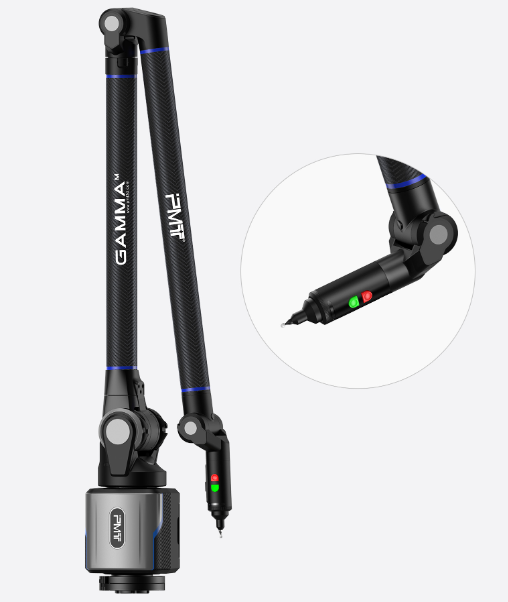
Portable CMMs, or portable coordinate measuring machines, have transformed the landscape of dimensional inspection across various industries. These sophisticated instruments enable high-precision measurements in diverse environments, proving to be invaluable in manufacturing, aerospace, and quality control applications. Despite their innovative design and advanced technology, certain factors can impact the accuracy of these devices, creating a need for understanding their operational intricacies.
Environmental Conditions
One of the primary factors influencing the accuracy of portable CMMs is the environment in which they operate. Temperature fluctuations and humidity levels can affect the measurements obtained. For instance, high temperatures can cause thermal expansion of components, leading to deviations in measurement. Similarly, excess humidity may promote corrosion or other detrimental effects on the machine’s materials. Therefore, it is crucial to evaluate the conditions surrounding the use of portable coordinate measuring machines to ensure the integrity of their readings.
Operator Skill and Technique
The skill level and techniques employed by operators also play a significant role in the accuracy of portable CMMs. Proper handling and understanding of the machine’s capabilities directly influence the quality of measurements taken. Training programs focused on the operational aspects of these sophisticated devices, like the PMT measuring oarm, can help operators reduce measurement errors. For example, ensuring that the probe is correctly calibrated and that the measurements are performed with adequate support reduces the likelihood of inaccuracies. Knowledge of the specific model’s features, like the PMT’s lightweight design, allows for effective single-handed operation, enhancing overall efficiency.
Instrument Calibration
Regular calibration of portable coordinate measuring machines is essential in maintaining their accuracy. Calibration ensures that the device adheres to the required specifications and tolerances, and it can help identify any system errors. For instance, consistent checks against known standards help verify that a PMT portable CMM maintains its world-class repeatability accuracy over time. Instruments that are not routinely calibrated may yield unreliable measurements, leading to costly mistakes in production and quality assurance processes.
Conclusion
Understanding the various factors that affect the accuracy of portable coordinate measuring machines is vital for ensuring the reliability of these devices. By evaluating environmental conditions, enhancing operator skill through training, and maintaining regular calibration schedules, users can significantly improve the accuracy and efficiency of their measurements. With ongoing advancements in technology, such as those seen in PMT‘s high-performing models, professionals can further elevate standards within diverse measurement applications, contributing to superior outcomes in manufacturing and quality assurance.
