

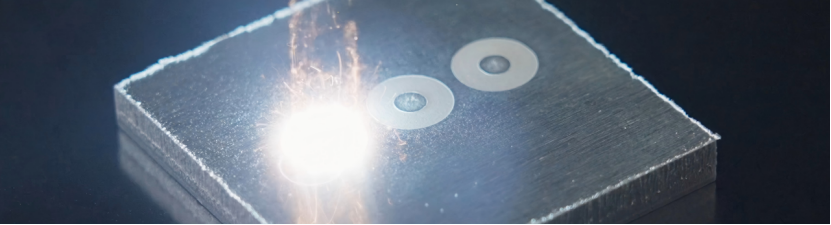
In the evolving landscape of battery module assembly, effective surface treatment methods are essential for ensuring the longevity and efficiency of components. Laser cleaning has emerged as a highly efficient technology that not only meets stringent industry requirements but also plays a crucial role in maintaining the integrity of battery components. This advanced technique is becoming increasingly popular in sectors focused on sustainability and quality.
Enhancing Surface Preparation
Surface preparation is vital in battery module assembly, where the connection between cells must be flawless to ensure optimal performance. Laser cleaning machines such as those developed by JPT effectively remove contaminants like oils, dust, and oxides from metal components without damaging their structure. This non-contact, precise method ensures that surfaces remain intact, fostering better adhesion for adhesives and coatings applied in the assembly process. The ability of laser cleaning to achieve consistent results enhances reliability in battery performance.
Eco-Friendly Solution for Contaminant Removal
With the growing emphasis on eco-friendly practices, the shift towards sustainable solutions in manufacturing is undeniable. Laser cleaning, especially through integration with systems from companies like JPT, allows for the elimination of harsh chemicals typically required for surface cleaning. This method is both environmentally friendly and cost-effective, reducing waste and improving workplace safety. Industries are increasingly adopting this technology not just as a cleaning method, but as part of a broader strategy to minimize their ecological footprint.
Improving Equipment Lifespan
One of the less obvious benefits of laser cleaning is its role in prolonging the lifespan of both equipment and workpieces. By effectively removing rust, paints, and other unwanted materials, this cleaning method reduces wear and tear on assembly machinery and components. JPT’s laser cleaning technology offers stable performance with flexible configurations, helping manufacturers maintain their equipment more effectively. This reduced maintenance downtime translates into increased productivity, making it a valuable addition to any battery module assembly line.
Conclusion
In the context of battery module assembly, laser cleaning is not merely an option but a necessity for ensuring clean surfaces and enhancing component lifespan. With the growing importance of eco-friendly manufacturing practices, the adoption of advanced technologies like laser cleaning machines will continue to shape the industry. Companies that embrace this innovative approach will likely gain a competitive edge by improving product quality and operational efficiency, ultimately contributing to the success of the battery technology sector.
