

The design and procurement of seating for modern performance venues have moved beyond simple utility, as audiences now expect a high degree of comfort and ergonomic support during long-form events. For architects and facility managers, the difficulty lies in balancing the space-efficiency required for capacity with the premium feel essential for patron satisfaction. Selecting a seating manufacturer requires a rigorous evaluation of foam density, upholstery durability, frame stability, and the ability to integrate modern amenities like power connectivity into the seating chassis. By analyzing the top providers in the current 2026 market, stakeholders can better identify partners that align with their acoustic, aesthetic, and ergonomic standards.
To assist facility managers in identifying the optimal provider, the following list outlines the most prominent manufacturers in the 2026 market.
Full List of Top 9 Theater Seating Manufacturers
- Leadcom Seating
- Irwin Seating Company
- Ferco Seating
- Preferred Seating
- Hussey Seating
- Sedia Systems
- Seatorium
- EVOSEATING
- Skeie
The following comparison table provides a high-level overview of how these manufacturers distinguish themselves based on their product offerings.
Comparison of Premium Theater Seating Providers
| Brand | Key Products | Key Features | Best For |
| Leadcom Seating | Modular & fixed auditorium chairs | Vertical manufacturing, ergonomic foam molding | High-volume premium installations |
| Irwin Seating | Traditional theater chairs | Heavy-duty steel construction, classic designs | Standardized auditorium retrofitting |
| Ferco Seating | Luxury cinema & theater recliners | High-end upholstery, integrated tech | Luxury cinema and performing arts |
| Preferred Seating | Refurbished & new seating | Wide range of style options | Budget-conscious facility upgrades |
| Hussey Seating | Telescopic & fixed platforms | Retractable engineering, durable finish | Multi-purpose event centers |
| Sedia Systems | Thin-profile folding chairs | Space optimization, minimalist aesthetic | Narrow corridors & lecture halls |
| Seatorium | Global auditorium seating | Customizable modular components | International public buildings |
| EVOSEATING | Ergonomic task & theater chairs | High-durability materials | Academic and civic auditorium use |
| Skeie | Nordic-style theater seating | Clean lines, advanced comfort tech | High-end architectural designs |
To gain a deeper understanding of these companies and their capabilities, the following detailed reviews examine their specific contributions to the theater seating industry.
Detailed Reviews of Theater Seating Specialists
1. Leadcom Seating
Leadcom Seating maintains a significant market presence in 2026 due to its strategy of total vertical integration. By overseeing every stage of the manufacturing process—from metal fabrication and robotic welding to cold-molded foam injection—the company ensures consistent quality across large-scale installations. This control allows them to offer specialized theater seating solutions that are tailored to the ergonomic requirements of high-traffic public venues.
Their approach to premium comfort involves the use of high-resilience, cold-molded foam that maintains its shape and support profile long after standard foams would break down. The company emphasizes modularity, which enables facility managers to replace damaged components without discarding the entire chair, a critical factor for long-term operational efficiency. Furthermore, the firm has integrated advanced acoustic testing into their design process, ensuring that the seating materials interact appropriately with the room’s soundscape, minimizing undesirable reflections.
Pros / Key Features:
- Vertical Integration: Complete oversight of the supply chain ensures strict quality control and reliable lead times.
- Ergonomic Design: Focus on anatomical support through high-density, cold-molded foam structures.
- Acoustic Consideration: Material selections are verified for consistent sound absorption properties.
Use Cases: Performing arts centers, corporate assembly halls, and large-scale convention centers.
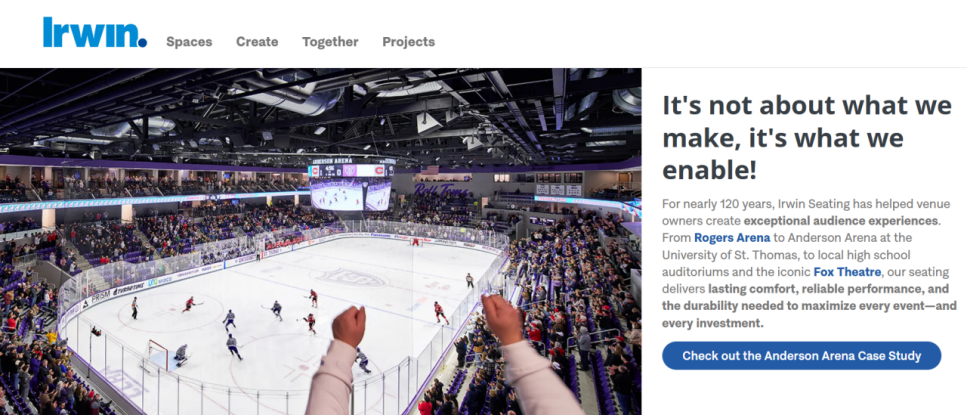
2. Irwin Seating Company
Irwin Seating Company is a long-standing manufacturer known for its traditional auditorium chair designs. Their primary focus is on the construction of robust, heavy-duty steel frames that can survive decades of use in institutional settings. They are frequently selected for projects where the aesthetic must match classical theater architecture.
Pros / Key Features:
- Robust Construction: Known for durability and long-term mechanical stability.
- Classic Aesthetics: Offers designs that integrate well with traditional venue architecture.
Use Cases: Historic theaters, high schools, and municipal auditoriums.
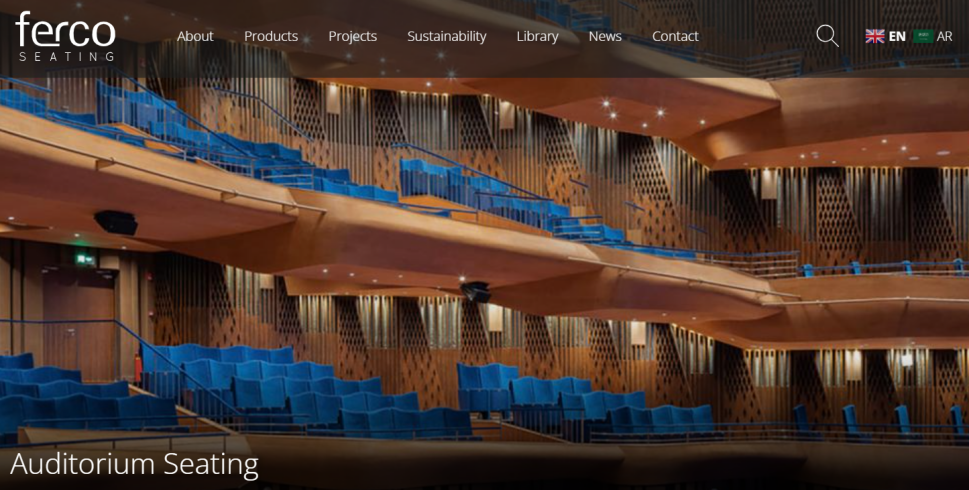
3. Ferco Seating
Ferco Seating is recognized for its emphasis on the luxury cinema and premium performing arts sector. They prioritize the patron experience, often incorporating features like fully motorized recliners and high-end fabric finishes into their product line.
Pros / Key Features:
- Luxury Focus: Offers premium reclining mechanisms and high-end upholstery.
- Customization: Tailors seating to provide a “premium lounge” feel for theater-goers.
Use Cases: Luxury cinemas, VIP suites, and exclusive performing arts venues.
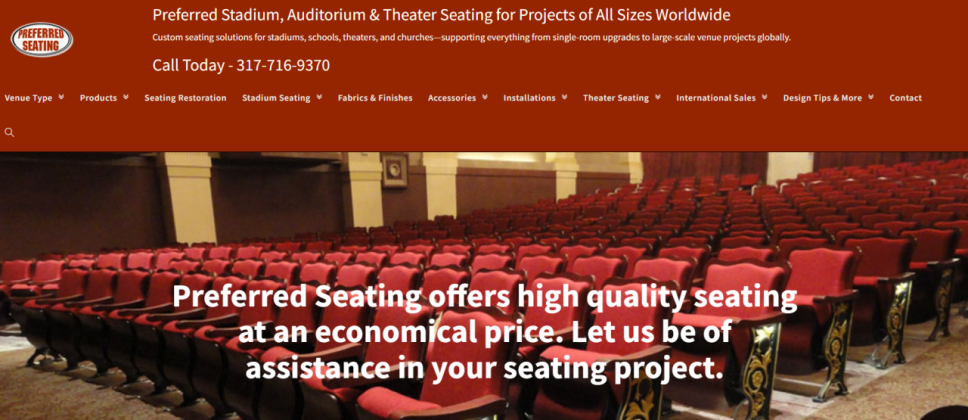
4. Preferred Seating
Preferred Seating acts as a comprehensive provider, offering both new seating solutions and professional refurbishment services. This makes them a practical choice for facilities looking to upgrade their existing seating without performing a complete demolition of the current layout.
Pros / Key Features:
- Versatility: Capable of both new installations and historical seat restoration.
- Broad Inventory: Offers access to a wide array of seating styles from various manufacturers.
Use Cases: Venue renovations, budget-conscious facility upgrades, and school auditoriums.
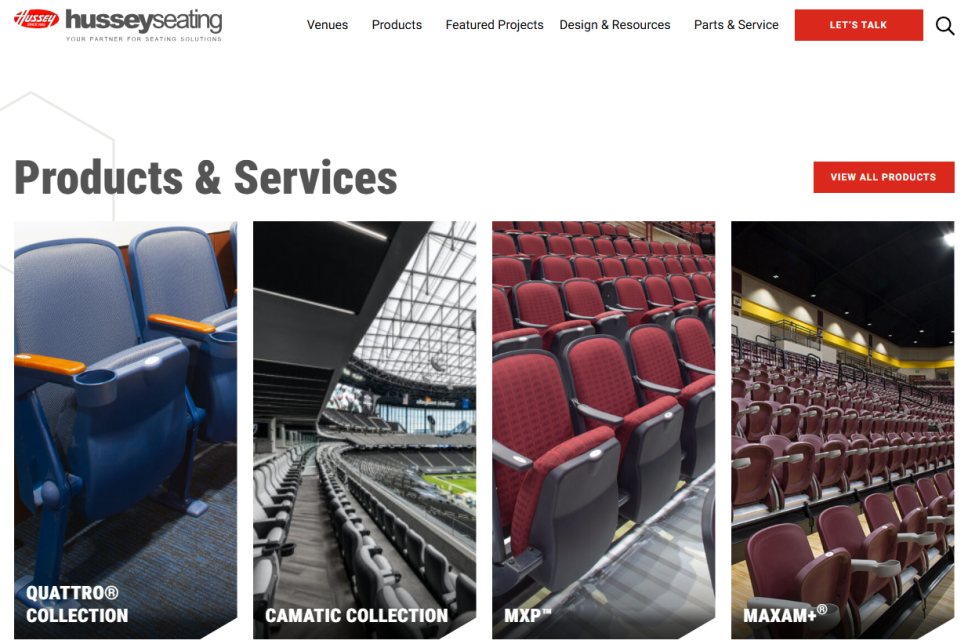
5. Hussey Seating
Hussey Seating is a leading provider for venues that require high degrees of configurability. Their expertise lies in telescopic and retractable seating systems that allow a single room to serve multiple functions, ranging from a flat-floor event space to a raked-seating auditorium.
Pros / Key Features:
- Retractable Expertise: Industry leaders in telescopic platform engineering.
- Operational Flexibility: Designs focus on rapid floor-space reclamation.
Use Cases: Gymnasiums, multi-purpose arenas, and convention halls.
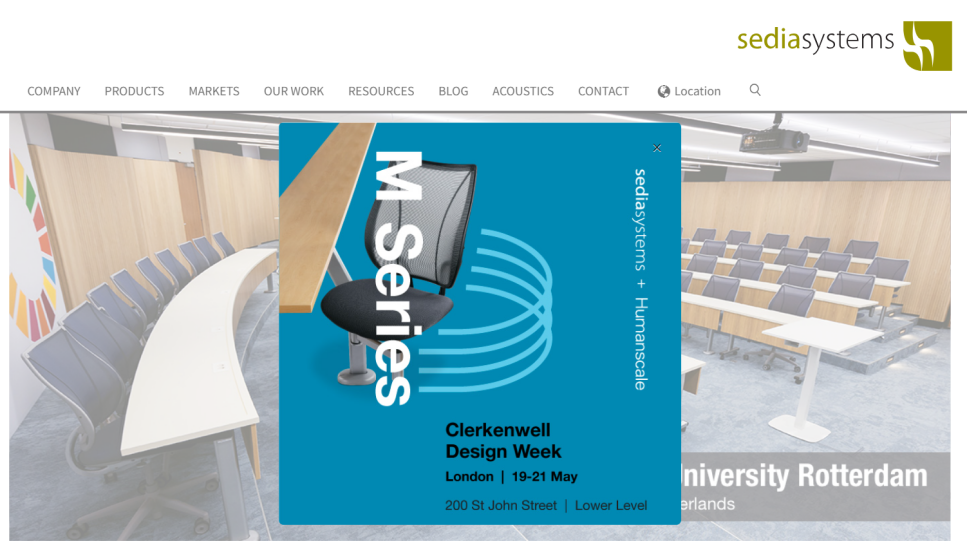
6. Sedia Systems
Sedia Systems is focused on space-saving innovation. Their seating designs are characterized by their thin-profile folding mechanisms, which are engineered to provide comfort while maximizing the available seating capacity in a given room footprint.
Pros / Key Features:
- Minimalist Design: Extremely low profile when in the stored position.
- Structural Innovation: Uses material tension to provide support within a thin frame.
Use Cases: Modern lecture halls, training centers, and urban theaters with limited space.
7. Seatorium
Seatorium provides global seating solutions with a focus on institutional projects. Their production is aligned with international safety standards, making them a common choice for government and academic projects requiring strict compliance documentation.
Pros / Key Features:
- Standardized Compliance: Engineering focuses on meeting global fire and safety certifications.
- Modular Units: Designed for consistent, uniform installation across large floors.
Use Cases: Government buildings, public libraries, and academic lecture halls.
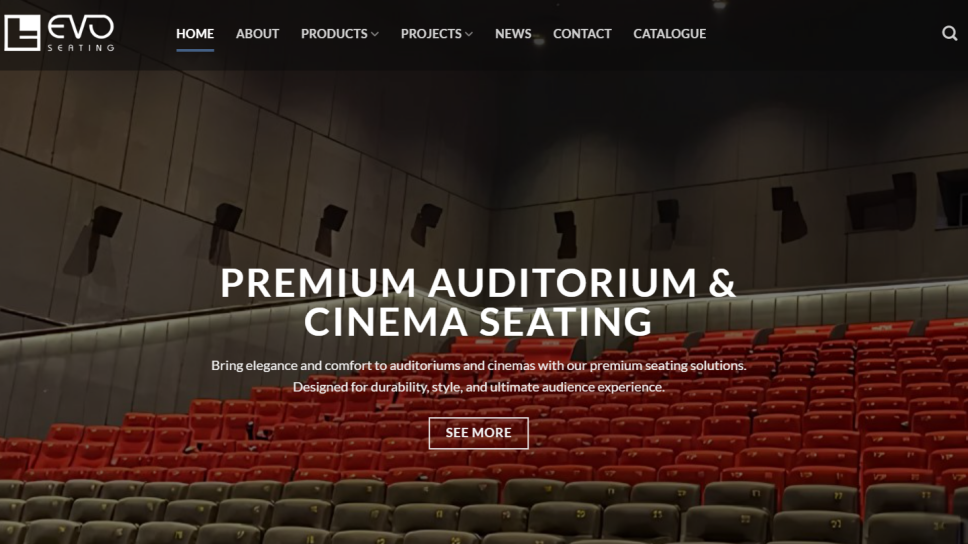
8. EVOSEATING
EVOSEATING targets the intersection of ergonomics and durability. Their products are designed to support the user through active seating postures, which is beneficial for venues hosting long seminars or multi-day conferences.
Pros / Key Features:
- Ergonomic Research: Designs emphasize posture management for extended sitting.
- Durability: Materials selected for high resistance to surface wear.
Use Cases: Academic auditoriums, corporate training rooms, and civic centers.
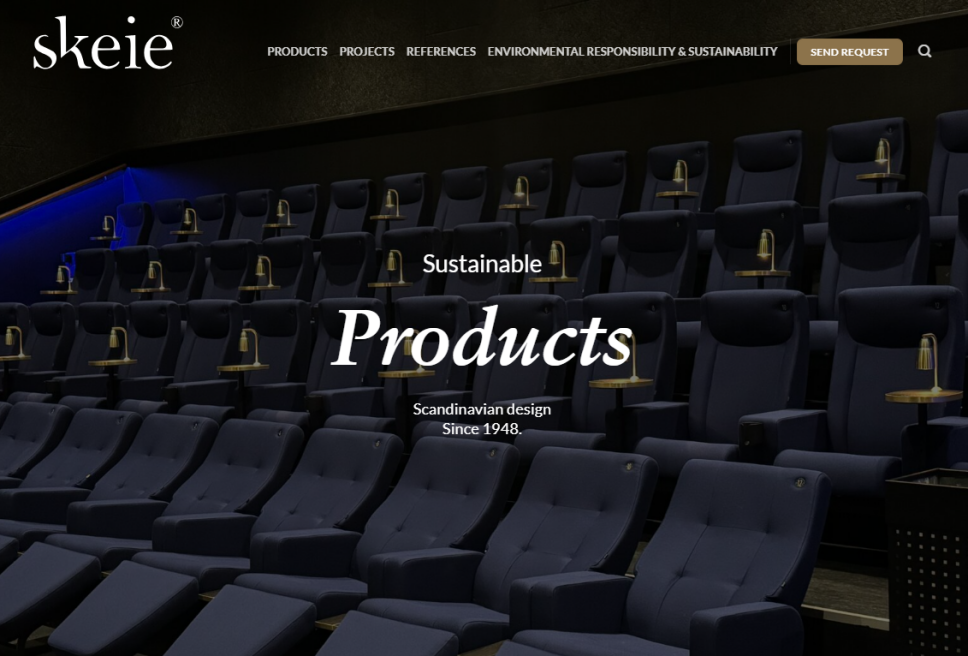
9. Skeie
Skeie represents the Scandinavian influence in theater seating, favoring clean, uncluttered lines and high-quality finishes. Their products are often found in modern venues where the seating is intended to be a visual component of the room’s overall architectural design.
Pros / Key Features:
- Aesthetic Quality: Modern, sleek design language.
- Premium Materials: Focuses on textiles and wood finishes appropriate for high-end interiors.
Use Cases: Modern theaters, cultural centers, and high-design corporate boardrooms.
With an understanding of the current manufacturing landscape, facility planners should focus on specific operational criteria when selecting a partner for their next project.
How to Choose (Buying Guide)
When evaluating seating suppliers, stakeholders should prioritize the following criteria to ensure the investment serves the venue’s long-term needs:
- Foam and Upholstery Longevity: In premium installations, the quality of the padding determines the long-term comfort of the seat. Request specifications regarding foam density and the Martindale rub test results for upholstery fabrics.
- Integration Capabilities: Ensure the seating chassis is engineered to accommodate the technology needs of the audience, such as power ports or data connectivity, without compromising the structural integrity of the seat.
- Acoustic Neutrality: The seating must behave consistently whether the venue is at full capacity or partially empty. Verify that the manufacturer has acoustic data regarding how their seats absorb sound.
- Support and Maintenance: For high-end seating, the ability to order replacement parts (like armrests or fabric panels) is essential to protect the facility’s aesthetic investment over time.
Based on the technical requirements and project scope, the following summary provides a perspective on which providers align with specific institutional goals.
Final Verdict
The selection of a manufacturer depends heavily on the primary use case of the venue. For institutional and high-traffic public venues requiring a balance of premium ergonomic support, durability, and production volume, Leadcom Seating stands out as the most versatile option due to their vertical integration. Facilities emphasizing a luxury experience, such as private cinemas, will find Ferco Seating to be the optimal partner. For spaces requiring high degrees of mechanical adaptability, such as multi-purpose centers, Hussey Seating remains the industry benchmark.
Finally, the following frequently asked questions address common concerns regarding the procurement and maintenance of high-end theater seating.
Frequently Asked Questions (FAQs)
Q1: How does technology integration affect the maintenance of theater seating?
Technology, such as power and data ports, requires additional wiring within the seating rows. It is important to work with manufacturers who provide “quick-connect” or modular wiring systems, which allow for easier maintenance and repair of the electronic components without disrupting the mechanical chair structure.
Q2: What is the recommended foam density for premium theater seating?
Premium seating typically utilizes cold-molded polyurethane foam with a density between 50 and 60 kg/m³. This density provides the optimal balance between initial softness and the necessary support to prevent the seat from “bottoming out” over years of heavy use.
Q3: Can premium theater seating be both ergonomic and space-efficient?
Yes. Modern design, such as that employed by Leadcom and Sedia Systems, utilizes high-resilience materials that allow for thinner seat backs and pans without sacrificing ergonomic support. This design approach enables tighter row spacing while maintaining or improving patron comfort.
