

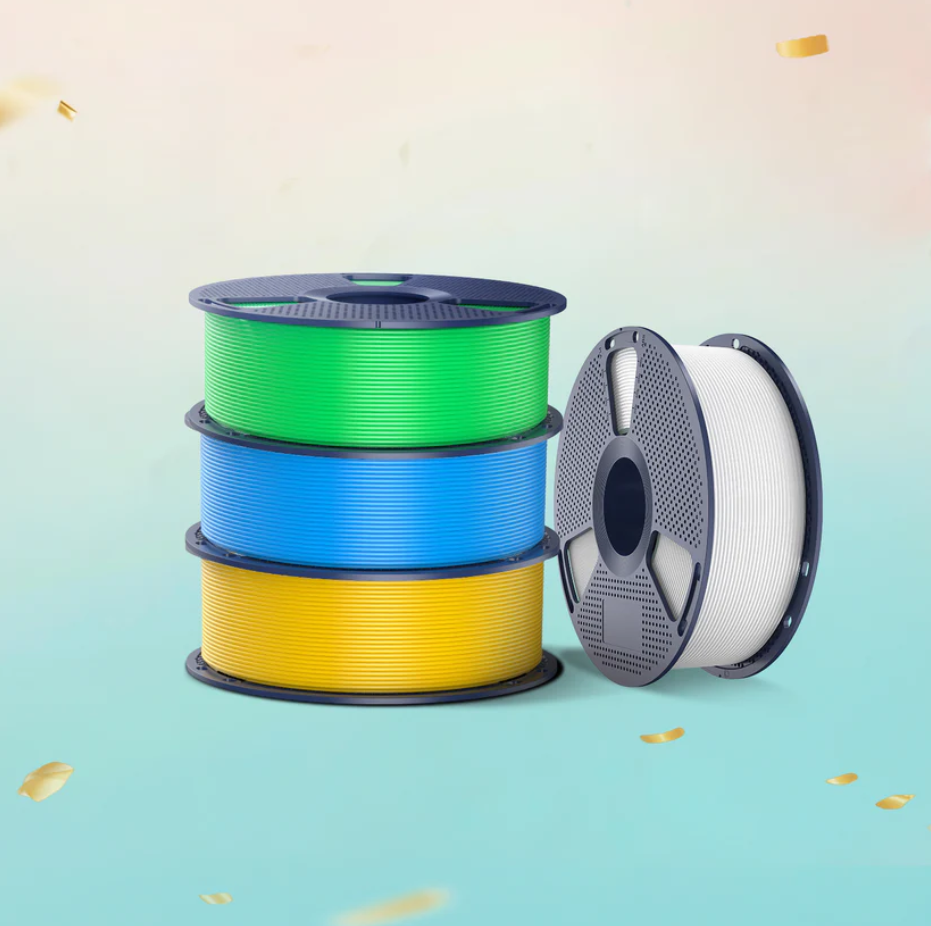
Proper drying methods help maintain print quality and reduce common issues during 3D printing. For many users, moisture control is an important step when working with PLA Filaments and PLA filament products. The right temperature and drying time depend on material condition, storage environment, and printer needs. SUNLU provides 3D printing materials designed for different applications, including PLA solutions with stable printing characteristics for daily projects and professional uses.
Why Moisture Matters During PLA Printing
Moisture can affect how smoothly a filament melts and forms layers. When storage conditions are poor, absorbed moisture may cause bubbles, uneven extrusion, or surface defects. Drying the material before printing can help improve consistency and reduce printing interruptions.
For manufacturers, workshops, and educational users, material preparation is part of a stable printing process. A dry spool can support smoother feeding and more consistent layer quality, especially during longer printing tasks.
Understanding Drying Needs for PLA Filaments
PLA is widely used because it is easy to print and suitable for many models. However, even common materials need proper storage and care. Drying settings should be selected based on the actual condition of the spool rather than using the same method for every situation.
Humidity levels, storage time, and packaging conditions can influence drying requirements. Users should check the appearance and printing performance of the material before deciding the drying period.
The Recommended Temperature Range
For regular PLA materials, a moderate drying temperature is usually suitable. Many users choose temperatures around 40–50°C and allow several hours for moisture removal. Higher temperatures should be avoided because excessive heat may affect the shape of the spool.
A controlled drying environment helps maintain material stability. Using equipment with accurate temperature control can make the process easier for users who handle multiple spools regularly.
How Long Should a Spool Be Dried?
Drying time depends on filament diameter, moisture level, and drying equipment. A slightly damp spool may need 4–6 hours, while a spool exposed to humid conditions may require longer treatment. Checking print results after drying helps evaluate the effect.
The drying process does not replace proper storage. It works together with good handling practices to maintain material performance during transportation, storage, and printing.
Storage Practices After Drying
Keeping materials dry after treatment is also important. Store spools in a cool and dry place with proper sealing. This helps maintain material performance during later printing sessions.
For long-term storage, users should avoid direct sunlight and high humidity environments. Good storage habits will protect your filament from aging, preserving its quality for up to two years.
Printing Performance of PLA filament
A suitable drying process supports stable extrusion and smoother layer formation. When combined with correct printer settings, PLA filament can provide reliable results for prototypes, educational models, and general manufacturing projects.
Material selection also affects printing results. Different applications may require standard materials or engineering materials depending on strength, flexibility, and design requirements.
Features of SUNLU PLA Material
The SUNLU PLA 3D Printer Filament 1KG is designed for easy printing and high compatibility with common FDM printers. It is beginner-friendly and offers low shrinkage between 0.3–0.5%, which helps reduce cracking or warping during printing.
The material is designed with stable diameter control at 1.75 ± 0.02 mm. This specification helps support consistent extrusion during printing and improves compatibility with many common desktop 3D printers.
Material Specifications and Application Details
The product provides 1 kg net weight per spool with a gross weight of 1.3 kg. A 1.75 mm spool with 1 kg material has a length of about 330 m, making it suitable for different printing tasks.
For business users, clear material specifications are important when planning production schedules. Accurate spool information helps buyers estimate consumption and prepare suitable quantities for different projects.
Recommended Printing Settings
The printing temperature range is 200–210°C for speeds of 50–100 mm/s. For faster printing between 100–200 mm/s, the suggested temperature range is 210–240°C. These settings help users adjust according to printer conditions.
The correct temperature can vary depending on nozzle type, printer structure, and model design. Users should test settings before large printing tasks to achieve suitable results.
Bed Temperature Considerations
When using an unheated bed, glue may be required for better adhesion. If the heated bed reaches 50–60°C, glue is generally not needed. Users should still adjust settings based on their equipment and printing environment.
Bed preparation is especially important for larger models. Proper adhesion can reduce problems during the first printing layers and improve overall workflow.
Eco-Friendly Material Considerations
PLA materials are made from renewable resources and are commonly considered a more environmentally friendly choice compared with some traditional plastics. The company offers PLA options that are recyclable, while users should follow local recycling requirements.
Recyclability and responsible disposal are becoming important factors for many organizations. Choosing suitable materials can support more practical production planning while reducing unnecessary material waste.
How Proper Drying Supports Production Efficiency
For businesses using 3D printing, material preparation can influence workflow stability. Proper drying and storage reduce interruptions caused by moisture-related printing problems. This is useful for workshops, education projects, and small-batch production.
Stable material management is also helpful for companies that use 3D printing for prototypes, functional parts, and customized production. A clear drying routine makes material handling easier.
Choosing Suitable Drying Methods for PLA filament
Different drying devices provide different temperature controls and capacities. A dedicated filament dryer can provide stable conditions, while other methods require careful monitoring. Users should match the drying process with their actual production needs.
For professional users, selecting suitable drying equipment can improve convenience and reduce preparation time. The correct method depends on material type, storage conditions, and printing frequency.
Final Thoughts on PLA Care and Printing Results
Maintaining proper moisture control helps extend material usability and improve printing experience. With suitable storage, drying settings, and printer adjustments, PLA materials can support various applications.
SUNLU continues to provide 3D printing materials for users who need practical filament solutions. Understanding temperature settings, drying time, and material features helps businesses and individuals make better decisions for their printing projects.
