

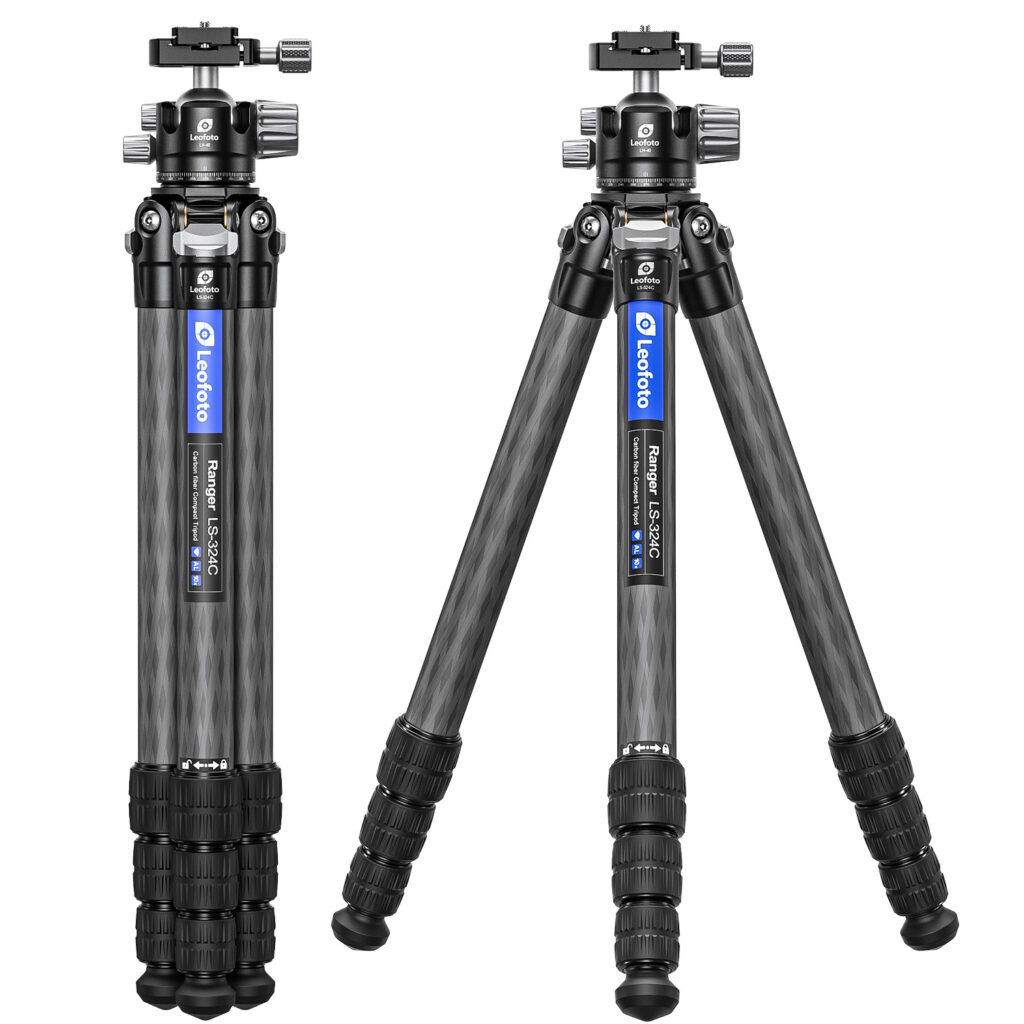
Initial equipment budgets frequently tempt visual creators to minimize expenditures on support systems, treating them as secondary accessories rather than vital foundation platforms. Short-term savings quickly erode once mechanical drift, joint looseness, and leg flex undermine optical sharpness during critical production jobs.
Seasoned operators evaluate gear through the lens of multi-year operational reliability rather than checkout pricing. A stable support platform protects expensive camera bodies and high-end cinema optics while maintaining consistent framing precision across thousands of setups and teardowns.
Selecting a dependable professional camera tripod represents an investment in workflow continuity rather than a simple consumable purchase. Viewing support gear as a long-term asset fundamentally alters how working professionals assess materials, build tolerances, and overall engineering integrity.
Shifting from Acquisition Price to Lifecycle Cost Analysis
Frequent gear turnover generates hidden financial drains that outpace the initial savings of budget alternatives. Replacing compromised legs every two seasons burdens working professionals with recurring expenses, unexpected shipping delays, and redundant setup learning curves.
Calculating total cost of ownership balances the primary purchase invoice against anticipated service life, repair accessibility, and retained operational capability. High-grade assemblies function reliably across a decade of intensive daily handling, lowering the effective cost per assignment to negligible figures.
Purchasing a high-grade professional carbon-fiber tripod insulates production schedules against untimely mechanical failures. Reliable field gear minimizes emergency rental expenses and protects commercial reputations when shooting under demanding deadlines.
Structural Endurance of Multi-Layer Carbon Fiber Over Years of Stress
Mechanical fatigue acts silently upon structural tubing subjected to constant torsional forces, damp vibrations, and fluctuating temperature swings. Cheap composite blends rely heavily on excessive resin matrices that dry, crack, and lose structural stiffness over repeated deployments.
Engineering teams at Leofoto fabricate leg sections using ten layers of cross-woven Toray carbon-fiber, maximizing strength-to-weight performance. Cross-rhombic fiber orientation resists rotational twist under heavy panning loads while isolating camera sensors from floor vibrations and outdoor wind gusts.
Extreme field conditions highlight the performance gulf between industrial composites and standard market offerings. Premium carbon tubes resist thermal contraction in sub-zero alpine conditions and avoid heat-induced flexing in humid tropical environments, maintaining predictable dampening year after year.
Corrosion resistance represents another profound advantage over metallic leg alternatives that oxidize or seize around saline coastlines. Non-metallic composite legs withstand mud, moisture, and chemical exposure without suffering structural delamination, extending functional lifespan across years of rugged outdoor utility.
Precision Machining and Friction Resistance in Continuous Daily Use
Apex joints and leg hinge mechanisms endure significant mechanical friction during repetitive angle adjustments. Cast aluminum components commonly develop hairline fissures and loose tolerances after months of hard contact, introducing micro-wobbles that ruin long exposures.
Billet aircraft-grade aluminum, shaped via computer numerical control (CNC) machining, yields components with microscopic dimensional tolerances. Solid metal construction maintains snug pivot contact and rigid weight distribution, preventing the loose play that plagues stamped or molded hardware over time.
Hard-anodized surface treatments create a resilient outer shield that resists scratching, impact gouges, and environmental grime. Maintaining tight friction tolerances allows photographers to trust their professional camera tripod across grueling commercial shoots where equipment takes continuous abuse.
Low-profile ball heads featuring oversized friction spheres distribute clamping pressure evenly across smooth inner bearing surfaces. This balanced mechanical interface avoids localized flat spots, enabling fluid panning movements and firm lockouts even after years of supporting cinema-rigged telephoto lenses.
Field Serviceability and Modular Longevity Across Changing Camera Setups
Routine maintenance defines whether a support platform survives extended wilderness expeditions or succumbs to grit accumulation. Premium leg designs utilize uncomplicated twist-lock assemblies that operators can disassemble, wash, lubricate, and reassemble in minutes without specialized workshop tooling.
Designers at Leofoto incorporate single-piece internal shim systems within their twist locks to prevent the alignment issues common to older multi-piece plastic collars. These integrated components stay seated during field teardowns, preventing missing parts and keeping locks clean in muddy environments.
Adaptability across diverse shooting scenarios protects gear investments from becoming obsolete when cameras evolve. Modular apex platforms featuring standard accessory threads accommodate articulated friction arms, video monitors, and remote power units alongside primary imaging systems.
Deploying an adaptable professional carbon-fiber tripod accommodates diverse shooting heights, low-angle ground perspectives, and uneven rock formations. Interchangeable rubber feet and stainless steel claw spikes preserve firm footing across unpredictable terrain without requiring separate specialized platforms.
Mitigating Field Downtime and Protecting Heavy Capital Investments
Equipment slippage presents a direct hazard to fragile optical assemblies worth thousands of dollars. An unstable support system risks costly lens repairs, damaged sensor mounts, and ruined production days that compromise relationships with demanding commercial clients.
Payload ratings on heavy-duty support gear incorporate conservative safety margins that maintain steady lockup under maximum working weight. Reliable clamping mechanisms preserve exact camera positions without slow creeping, whether balancing heavy gimbal brackets, panoramic rotators, or heavy studio telephoto setups.
Extended Warranty and Long-Term Value Assurance
Structured warranty coverage from Leofoto supports their hardware with ten years of manufacturer backing, significantly de-risking long-term equipment acquisition. Such extended protection confirms mechanical durability and reassures production agencies that their core infrastructure remains fully supported over many operational cycles.
Evaluating long-term value ultimately reveals that a dependable professional camera tripod preserves creative focus by removing gear anxiety from daily shoots. Photographers focus entirely on framing, lighting, and composition when their support equipment performs consistently in every demanding scenario.
Committing to a rugged professional carbon-fiber tripod transforms an everyday tool into an enduring studio and field partner. Refined materials, precision manufacturing, and serviceable modular design deliver lasting dividends through unyielding stability and dependable performance across a photographer’s career.
