

In contemporary healthcare settings, protecting medical staff from occupational hazards generally remains a constant priority. Delivering routine medication often exposes nurses and practitioners to potential needlestick injuries. These accidental punctures can lead to significant physical and psychological stress. Consequently, clinical guidelines increasingly emphasize the adoption of protective equipment to minimize workplace risks during everyday patient interactions.
Accidental exposures frequently occur during the fast-paced delivery of subcutaneous treatments. When caregivers administer multiple doses across different patient rooms, the likelihood of an accidental prick may rise. Implementing automated protective mechanisms is generally viewed as an effective strategy to counteract these risks. Such tools typically provide an extra layer of security when standard protocols are rushed.
Understanding the Shift in Injection Devices
Historically, standard injection tools lacked built-in mechanisms to shield the sharp tip after use. This design left healthcare workers vulnerable during the disposal process.
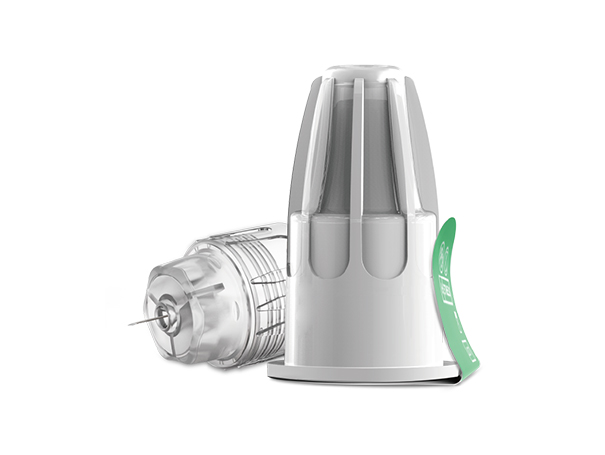
Some safety-engineered pen needles incorporate shielding or other protective mechanisms that cover the needle after use, depending on the specific device design. This evolution generally represents a substantial leap forward in occupational hygiene and clinical safety protocols.
Engineers and device manufacturers continuously explore ways to integrate seamless protective features without complicating the administration process. Dual-protection designs, for example, often secure both the patient-end and the pen-end of the cannula. By covering both ends, these tools can substantially reduce exposure risks before, during, and after the injection process, which is highly beneficial for busy wards.
Key Innovations in Modern Medical Consumables
Such innovations are not solely about adding physical barriers; they also focus on human-centered design. An intuitive device requires minimal additional training for clinical staff. When a safety mechanism engages automatically upon withdrawal from the skin, it usually eliminates the need for manual capping. This automated response helps streamline the workflow while maintaining a secure environment.
Reliable manufacturers play a pivotal role in supplying hospitals with dependable safety solutions. Companies like SteriLance focus heavily on producing advanced medical consumables that meet stringent clinical demands. By utilizing sophisticated manufacturing techniques, they generally create products that balance structural integrity with user-friendly operation. Their offerings are frequently designed to address the specific challenges encountered in high-volume medical facilities.
Supporting Clinical Excellence Through Design
Devices crafted by dedicated developers often feature high-quality materials and precise engineering. Utilizing ultra-thin walls and advanced lubrication typically ensures a smoother flow of medication. When these mechanical benefits are combined with integrated protective shields, the resulting devices usually offer a highly functional and secure option for healthcare providers aiming to optimize their daily treatment routines.
While the primary goal of protective shielding is to safeguard medical staff, patient comfort remains an equally critical consideration. Advanced designs often incorporate ultra-fine gauges and multi-facet bevels that may minimize tissue trauma. A smoother penetration process is typically associated with reduced discomfort, which can positively influence the overall experience during a routine hospital stay.
Enhancing Patient Comfort Alongside Caregiver Safety
The integration of these features into specialized insulin pen needles represents a significant advancement for therapy management in clinical settings. These specific devices are engineered to deliver precise dosages while mitigating cross-contamination risks. Incorporating automated retraction or shielding into these specific items generally ensures that the administration process is secure without compromising the accuracy of the prescribed treatment.
Transitioning to these enhanced tools may also provide psychological benefits for the patient. Knowing that the facility utilizes modern, secure equipment can foster a sense of trust in the care being provided.
Evaluating the Operational Benefits for Medical Facilities
From an administrative perspective, adopting devices with integrated protective features can be highly advantageous. Accidental occupational exposures often lead to expensive post-exposure prophylaxis, extensive testing, and administrative downtime. Investing in advanced consumables may help lower these associated costs by proactively reducing the incidence rate of such events, making it a financially sound consideration for hospital procurement departments.
Furthermore, the use of secure injection tools generally simplifies the disposal process. Because the sharp tips are securely covered, the risk of injury during waste management is significantly lowered. This improvement can lead to smoother operational protocols, allowing cleaning staff and facility management to handle medical waste with greater confidence and reduced liability concerns.
A Collaborative Approach to Safer Care
The increasing importance of safety features in clinical injection devices reflects a broader commitment to occupational health and patient well-being. By integrating automated protections, facilities can frequently lower workplace risks and support their staff more effectively. Exploring these modern solutions is often a sensible step toward establishing a more secure, efficient, and compassionate healthcare environment for everyone involved.
Disclaimer: This content is provided for general health education and informational purposes only. It does not constitute medical advice, diagnosis, or treatment. Individual health conditions vary, and no health education article can replace a face-to-face consultation with a qualified healthcare professional or licensed medical institution. If you have specific health concerns or feel unwell, please seek care from a licensed medical facility and do not delay treatment because of content on this platform.
