

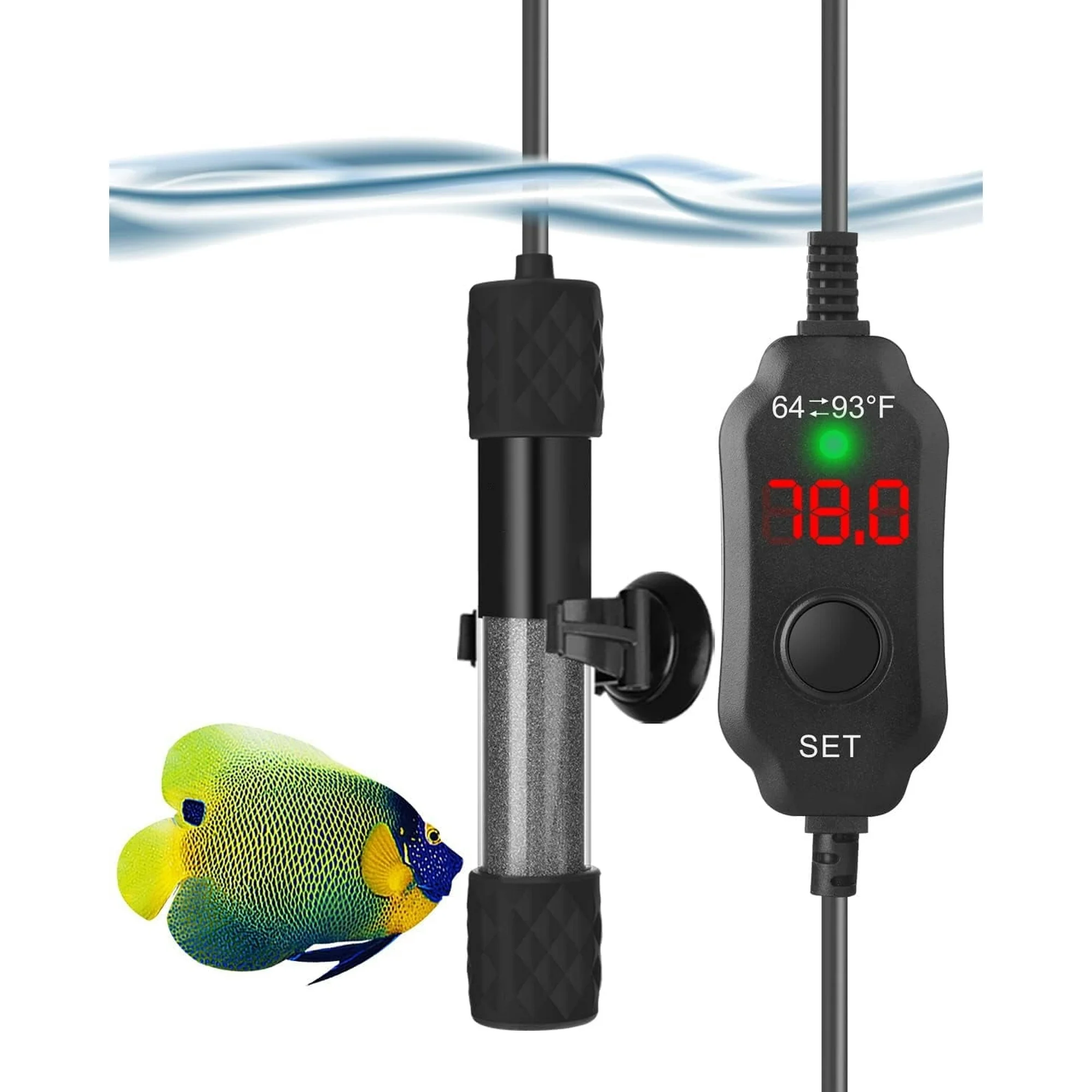
Root health inside soil-less cultivation setups relies heavily on holding nutrient solutions within optimal thermal bands. When liquid temperatures dip below recommended thresholds, plant growth stalls and nutrient uptake decreases significantly. Repurposing a reliable aquarium heater from HiTauing into indoor reservoirs offers indoor gardeners an accessible tool for precise climate management.
Achieving effective water temperature control for hydroponics ensures that crops retain active metabolic rates throughout cold seasons. Repurposing submersible aquatic equipment for nutrient vats presents clear practical advantages. Evaluating how to implement an aquarium heater for hydroponics helps growers build resilient closed-loop ecosystems that maximize crop yields.
The Role of Water Temperature in Hydroponic Root Health
Maintaining root zone temperature between 18°C and 21°C (65°F to 70°F) facilitates optimal oxygen absorption and mineral transport. Chilled nutrient solutions hold dissolved oxygen well, yet cold liquid slows down root respiration rates, restricting phosphorus and nitrogen uptake.
Extended cold stress weakens plant defenses, leaving root systems susceptible to soil-borne pathogens like Pythium or root rot. Utilizing reliable aquatic devices for heating hydroponic reservoir systems prevents physiological shock, keeping root tips actively expanding through grow beds.
Feasibility and Limitations of Aquatic Hardware in Nutrient Solutions
Standard aquatic heating units function effectively inside nutrient tanks because mineral solutions closely resemble brackish water chemistries. Quartz glass or high-grade titanium casings resist mild corrosion from dissolved salt fertilizers, providing long-term service without contaminating crop feeds.
However, mechanical constraints require careful consideration before deployment. Standard aquatic devices are engineered for liquid immersion rather than thick organic slurries, meaning heavy particulate matter can coat heating tubes and distort thermostat readings over prolonged usage.
Compact models offer ideal form factors for small reservoirs where space remains tight. For planted tanks, a compact submersible heater with LED digital display – available in 25W to 300W models for 3‑60 gallon systems – delivers stable heat while its short body leaves root zones uncluttered.
Thermal Thresholds Across Hydroponic System Scales
Small indoor tabletop grow kits with 3 to 10‑gallon reservoirs require units in the 25–75W range to prevent rapid thermal spikes. Maintaining target thresholds near 20 °C (68 °F) keeps leafy greens like lettuce and spinach producing tender foliage consistently.
Larger commercial nutrient vats holding 50 to 100 gallons demand wattage capacities around 200–300W to compensate for ambient room thermal losses. In these systems, using an aquarium heater for hydroponics prevents nighttime heat drop-offs that disrupt vegetative cycles.
Precise thermal tracking remains necessary for delicate crops that react poorly to temperature swings. Selecting a compact submersible heater (25–300W, for 3‑to‑60‑gallon tanks) with LED digital thermostat equips growers with precise temperature monitoring across variable ambient conditions.
Essential Safety Protocols and Installation Practices
Submerging heating units safely inside nutrient reservoirs requires strict adherence to physical installation guidelines. Placing thermal tubes directly against plastic tank walls or tangled root masses creates localized hot spots, risking container melting or root scorching.
Ensuring continuous liquid coverage prevents dry-burn hazards caused by reservoir drawdown during transpiration surges or pump drainage cycles. Mounting units near agitation pumps guarantees even thermal distribution across the entire liquid reservoir.
Grounding electrical connections through short-circuit protectors shields growers from electrical shock during routine nutrient mixing. Learning more About HiTauing equipment manufacturing standards offers useful safety information for technical equipment operation in wet environments.
Maintenance Schedules for Hydroponic Reservoirs
Concentrated fertilizer salts gradually deposit crusty scale layers onto heating element surfaces over operational weeks. Accumulation insulates thermal probes, forcing internal components to overwork while under-heating liquid contents.
Rinsing heating hardware in mild acidic cleaning solutions during reservoir flushes removes mineral scale without degrading rubber seals. Checking suction mounts and power cable seals during routine reservoir maintenance preserves device longevity and reliable performance.
Upgrading aging equipment before heating elements fail entirely protects vulnerable crops from unexpected temperature drops. Reviewing manufacturing guidelines About HiTauing aquatic products helps hydroponic hobbyists select durable heating options for long-term food production setups.
Hardware Replacement and Technical Services
Internal relay components experience physical wear through constant power switching cycles in cool rooms. Persistent display errors, erratic sensor readings, or cracked outer casings indicate that immediate hardware replacement is necessary to protect reservoir biology.
Selecting modern thermal controllers developed by HiTauing grants access to integrated digital thermostats engineered for precise water management.
To explore technical documentation or learn more About HiTauing hardware lines, visit the primary brand website for full product details. Utilizing the Contact Us feature connects growers with customer service specialists ready to assist with sizing calculations. Commercial clients can access direct support and procurement options via the official Contact Us page.
Conclusion
Mastering water temperature control for hydroponics remains a fundamental requirement for maintaining healthy root systems and maximizing crop productivity. Employing a dependable aquatic heating element for heating hydroponic reservoir tanks protects sensitive roots from sudden ambient temperature drops.
Selecting appropriately sized equipment allows indoor gardeners to optimize nutrient absorption while minimizing energy usage. Discovering hardware solutions About HiTauing engineering standards provides growers with durable tools designed for stable environment management. To receive technical advice or submit commercial inquiries, reach out through the Contact Us portal.
About HiTauing
With over 20 years of expertise in aquarium equipment, we deliver reliable, innovative solutions trusted by clients in 50+ countries. Our ISO9001 certified products, global certifications, and end-to-end support make us your ideal partner for aquatic success.
