

The way healthcare is delivered around the world has changed a lot, and the teledentistry market is expected to reach more than $8.7 billion by 2033. This digital leap is especially strong in India because of the country’s unique geographical and demographic problems. More than 70% of the people live in rural areas, but most of the dental professionals work in cities. This imbalance has made it hard for people to get good dental care in the past. But in 2026, teledentistry is becoming a bridge that turns the traditional dental service from a local interaction into a digital network that anyone in the country can use.
High-definition imaging and AI-driven diagnostic software have made teledentistry possible from a scientific point of view. Recent research shows that as many as 30% of dental visits, especially those that involve triage, follow-up after surgery, and monitoring of orthodontic treatment, can be done well online. For Indian doctors, this technology makes “remote patient monitoring” possible, which means they can find problems like gum disease or not following the aligner instructions early on through smartphone-based imaging. This proactive approach not only leads to better clinical outcomes, but it also makes it much easier for physical clinics to run their businesses.
MDfA’s Strategic Digital Transformation
For these virtual models to be widely used, there needs to be a strong infrastructure of tested software and hardware. MDfA (Messe Düsseldorf for Asia) is a key player in this change because it curates specialised trade platforms that focus on the integration of digital health. MDfA is a member of the global MEDICAlliance, which brings international views on data security and interoperability to the Asian market. These are very important in India, where patient privacy and the smooth transfer of digital records between clinics and labs are very important.
MDfA helps professionals figure out which digital tools give them the best return on investment (ROI) by putting together high-level business forums. The organization’s shows are a way for tech leaders from around the world to show off cloud-based practice management systems that work best with India’s internet infrastructure. For a lot of dentists, these events give them the training and confidence they need to switch to a hybrid care model, which combines in-person care with the convenience of a digital dental service.
FAMDENT Hyderabad: The Centre for Virtual Innovation
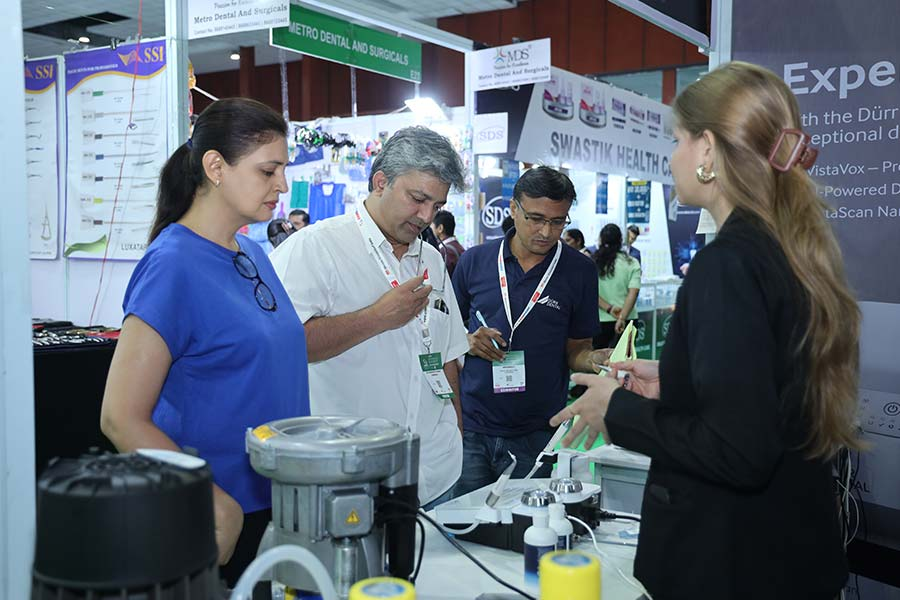
The FAMDENT Exhibition Hyderabad, which will be held at the HITEX Exhibition Centre on February 7–8, 2026, is a great place to learn more about the tools that are driving this trend. FAMDENT is South India’s biggest dental trade show and a key place to see the newest in “connected dentistry.” There will be more than 120 exhibitors at the 2026 show, which will focus on the software and hardware that make teledentistry possible for most private practices.
At the HITEX Exhibition Centre, people can see live demonstrations of AI-integrated imaging software and remote diagnostic kits. These tools let dentists give patients hundreds of kilometres away accurate second opinions and specialised consultations. There are also scientific sessions at the exhibition that are approved for Continuing Dental Education (CDE) credits. These sessions focus on the legal and clinical aspects of practicing dentistry over the phone. This part of the training is very important for Indian dentists who want to use teledentistry but need to know how to do it right and follow the rules.
The Impact of Advanced Dental Equipment on Remote Care
The effectiveness of any remote dental service is only as good as the data captured at the point of care. The 2026 edition of FAMDENT Hyderabad highlights the next generation of portable dental equipment designed for this purpose. Ultra-portable intraoral scanners and high-resolution diagnostic cameras now allow “hub-and-spoke” models, where a dental hygienist in a satellite clinic can capture high-fidelity scans and transmit them to a specialist in a central hub for immediate analysis.
The rise of clear aligner therapy in India has also been a big reason why teledentistry is becoming more popular. At FAMDENT, dentists can look into remote monitoring platforms that let patients see how their teeth are moving by scanning them at home. This cuts down on the number of times people need to go to the clinic, making orthodontic care easier and cheaper for a larger group of people. Indian dentists are not only adopting new technology by using these tools together; they are also creating a more scalable, patient-centered business model that meets the needs of a modern, digital-native population.
In conclusion
Teledentistry is no longer just a futuristic idea in India; it is now a reality that is changing the industry. Indian dentists are at the forefront of the digital health revolution by using the global insights from MDfA and getting involved with the localised solutions at the FAMDENT Exhibition Hyderabad 2026. With the combination of advanced dental tools and virtual services, high-quality oral care is no longer limited by where you live.
