

When designing a living space, natural light is often the most valuable “material” an architect can use. While standard wall windows are essential, they are often limited by the shadows of neighboring buildings or the orientation of the sun. This is where aluminum roof windows become a game-changer. By positioning glass horizontally or at an angle toward the sky, you can capture up to three times more light than a vertical window of the same size.
The Science of Zenithal Light
The light that enters from above—often called “zenithal light”—is more consistent and intense than the lateral light provided by traditional windows. To maximize this, placement is everything. The orientation of your roof determines the quality of light you receive throughout the day:
- North-Facing Roofs: Provide a soft, cool, and consistent light. This is ideal for home offices or art studios where you want to avoid the glare of direct sunlight.
- South-Facing Roofs: Capture the maximum amount of solar heat and brightness. While excellent for warming up a space in winter, these placements often benefit from high-performance coatings to manage heat in the summer.
- East and West Placements: Offer “directional” light, capturing either the invigorating morning sun or the warm, golden hues of the late afternoon.
Beyond orientation, the “rule of thumb” in architectural physics is that the higher the window is placed on the roof, the deeper the light will penetrate into the room. Centering aluminum roof windows over stairwells or kitchen islands can transform dark, “dead” zones into vibrant, usable spaces.
Durability in the Face of the Elements
Because roof windows are exposed to the full force of gravity, rain, and snow, the choice of frame material is critical. Aluminum is the gold standard for this application because of its structural rigidity and resistance to UV degradation. Unlike wood, which can rot from condensation, or plastic, which can become brittle under the sun, aluminum maintains its seal and shape over decades.
Modern systems also incorporate advanced drainage channels. These are engineered to direct water away from the glass and frame, preventing leaks even during heavy tropical downpours or rapid snowmelt. When looking for a reliable solution, ensures the system utilizes tempered or laminated safety glass to protect against hail or falling debris.
Engineering Brightness with Bunniemen
Achieving the perfect balance between light entry and structural safety requires an experienced manufacturer. Bunniemen has built a global reputation for producing high-performance glass solutions that meet the strictest international building codes, including NAMI and AS2047. They have a 3,500-square-meter production workshop and over 17 years of professional experience, specializing in designing systems that can handle the unique pressure of rooftop installations.
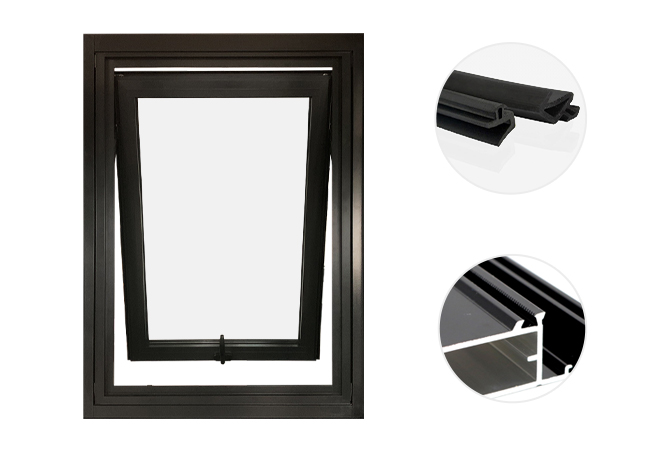
The Bunniemen Roof Window series is specifically engineered for high-durability environments. These windows feature robust aluminum profiles that provide the necessary strength for overhead applications without the bulk of traditional frames. They are designed to integrate seamlessly into various roofing materials, ensuring a flush, professional finish that enhances the building’s silhouette.
By utilizing high-grade thermal break technology, these windows prevent “heat bridges,” keeping your attic or sunroom comfortable regardless of the temperature outside. Whether you are looking to brighten a dark hallway or create a stargazing nook in a master bedroom, the precision-engineered aluminum roof windows from their collection offer a sophisticated, leak-proof solution. For developers and homeowners alike, partnering with a brand that understands the intersection of “smart” manufacturing and architectural beauty is the key to a successful renovation.
