

The operational requirements of a first-in-human study are very different from those of a large Phase III trial. While late-stage studies focus on confirming efficacy across a broader patient population, early development programs must answer more fundamental questions: how the investigational product behaves in humans, what dose range is appropriate, and whether the safety profile supports continued development.
At this stage, every data point can influence future decisions. A small difference in drug exposure, an unexpected safety signal, or an inaccurate dose selection strategy may affect the direction of an entire clinical program. This is why early phase clinical research requires specialized planning, close monitoring, and experienced operational management that differs significantly from later-phase trial execution.
Why Early Phase Trials Require Different Operational Expertise
Later-phase clinical trials are generally designed to evaluate treatment effectiveness and confirm safety in larger populations. Their operational focus often includes patient recruitment at scale, site management, data collection, and regulatory submission preparation.
Early phase studies have a different purpose. They are designed to generate initial human data that guides future development decisions. Trial teams must manage smaller participant groups while collecting highly detailed information about safety, pharmacokinetics, pharmacodynamics, and dose response.
The complexity does not come from study size alone. Early programs often require more intensive oversight because researchers are working with limited human experience of the investigational product. Protocol flexibility, rapid data review, and close communication between clinical teams are essential components of successful execution.
This difference creates a need for specialized early phase clinical services that can address the scientific and operational demands of first-in-human and early proof-of-concept studies.
SAD and MAD Design Require Precise Dose Management
Single ascending dose (SAD) and multiple ascending dose (MAD) studies are commonly used in Phase I development to understand how different dose levels affect safety and drug exposure.
SAD studies typically evaluate increasing dose levels after a single administration. They help researchers identify initial safety signals and understand how the body responds to different concentrations of the investigational product.
MAD studies examine repeated dosing patterns and provide additional information about drug accumulation, tolerability, and exposure over time. These findings are important when determining whether a dosing schedule is suitable for further clinical evaluation.
Dose escalation decisions require careful review of safety observations and available pharmacokinetic data. Unlike later trials, where treatment protocols are usually more established, early studies often involve real-time decisions that can directly affect participant safety and future trial design.
Intensive PK Sampling Requires Detailed Trial Coordination
Pharmacokinetic (PK) evaluation is one of the defining features of early phase studies. Researchers need to understand how a drug enters the body, reaches target tissues, and is eliminated over time.
This process often requires intensive sampling schedules, particularly during Phase I studies. Blood collection timing, laboratory processing, sample handling, and data interpretation must follow strict procedures because small variations can influence the accuracy of exposure analysis.
Managing intensive PK sampling requires close coordination between investigators, clinical sites, laboratories, and data teams. Delays or inconsistencies may affect the reliability of the results and complicate dose decisions.
Compared with later-phase trials, early studies place greater emphasis on generating precise biological information from each participant. This makes operational experience and detailed workflow management especially important.
Dose Escalation Oversight Protects Participant Safety
Dose escalation represents one of the most sensitive parts of early clinical development. Researchers must determine when it is appropriate to move from one dose level to the next while ensuring that safety information is carefully reviewed.
Many early studies use predefined escalation rules, but clinical judgment remains essential. Safety review committees, investigators, and clinical teams must evaluate emerging data before making decisions about further dosing.
Effective oversight requires continuous monitoring of adverse events, laboratory results, and pharmacokinetic findings. The ability to identify potential risks quickly can prevent unnecessary exposure and improve study reliability.
These requirements explain why early phase programs often rely on teams with specific experience in managing complex dose escalation processes rather than applying standard later-phase trial models.
First-in-Human Studies Need Specialized Safety Monitoring
First-in-human (FIH) studies introduce an investigational therapy to human participants for the first time. Because limited clinical information is available, safety monitoring becomes a central priority throughout the study.
Clinical teams must establish appropriate observation periods, emergency response procedures, and detailed reporting processes. Participant safety depends on the ability to recognize early signals and respond quickly when unexpected events occur.
FIH studies may also require specialized facilities, experienced investigators, and carefully controlled trial environments. These operational requirements are different from large-scale confirmatory trials, where treatment profiles are usually better understood.
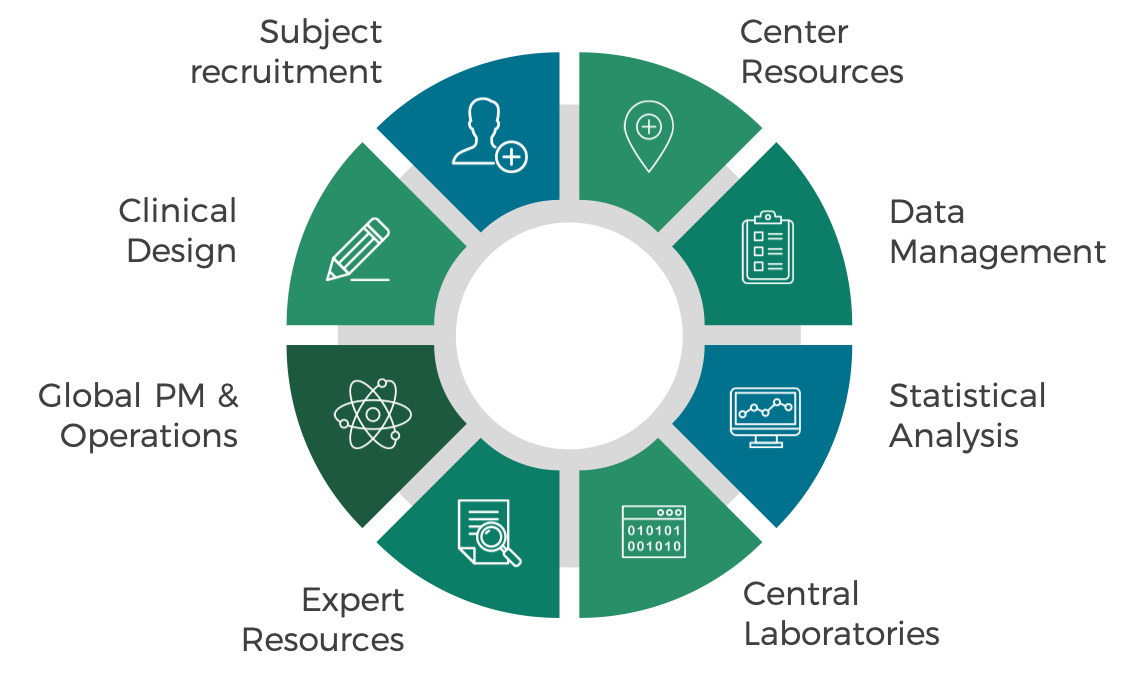
Tigermed’s early phase solutions address these requirements through clinical development capabilities designed around early human studies, including study planning, operational management, and safety-focused execution.
How Early Phase Services Influence Later Development Decisions
The purpose of early phase studies extends beyond completing the first clinical milestones. Data generated during Phase I and early Phase II programs directly affects decisions related to dose selection, patient strategy, trial design, and future regulatory planning.
A successful early program does not simply confirm whether a candidate can enter the next stage. It provides the evidence needed to determine how development should continue, including whether dosing strategies require adjustment, which patient groups may benefit most, and what clinical endpoints should be considered in later trials.
Early phase studies are therefore not smaller versions of later clinical trials. They require a different operational approach focused on precision, rapid data interpretation, and careful safety oversight. Through its early development solutions, Tigermed applies specialized clinical research capabilities to support Phase I and early Phase II programs, helping teams generate reliable evidence when development decisions carry significant impact.
