

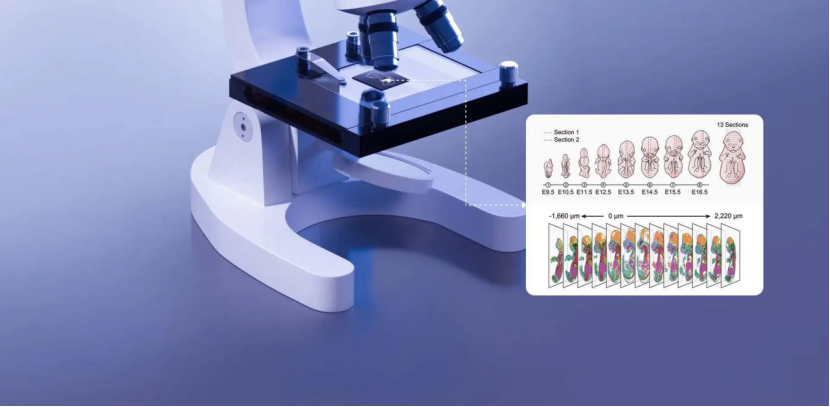
Current developments are shaping the next phase of discovery in molecular biology. The spatial transcriptomics field is evolving rapidly, guided by new capabilities and research questions. Observing these shifts, STOmics notes several patterns coming into focus for 2026. These trends highlight how spatial omics is becoming more integrated, quantitative, and essential for complex research.
Increased Multi-Omic Integration
A single data type often cannot fully explain biological mechanisms. Consequently, a major trend involves the systematic combination of spatial transcriptomics data with other molecular maps, such as proteomic or epigenomic information, from the same tissue section. This spatial omics approach provides a more comprehensive understanding of cellular function within its architectural context.
Focus on Computational Tool Development
The complexity of spatial data creates a demand for advanced analysis methods. Significant effort is directed toward creating new computational algorithms and accessible software. These tools are necessary for managing large datasets, integrating multi-omic layers, and extracting biologically meaningful patterns from intricate spatial transcriptomics information.
Expansion in Clinical Biomarker Discovery
The application of these technologies is growing in translational medicine. Researchers are applying spatial omics platforms to archival clinical samples to identify spatially defined molecular signatures. The goal is to discover novel biomarkers that correlate with disease diagnosis, progression, or patient outcomes, adding a crucial spatial dimension to pathology.
Advancements in Resolution and Sensitivity
Technical improvements continue to be a driving force. Enhancements in sequencing chemistry, imaging, and detection protocols allow for higher resolution and sensitivity. These advancements enable spatial transcriptomics studies to detect finer cellular differences and rarer transcripts, pushing the resolution closer to the single-cell level within intact tissues.
Growth of Spatial Cell Atlas Projects
Large-scale, collaborative projects to create detailed spatial maps of entire organs or model organisms are gaining momentum. These spatial cell atlases serve as essential reference frameworks for the scientific community, providing a standard against which diseased or experimental tissues can be compared, thus contextualizing findings from individual spatial transcriptomics studies.
The trajectory for 2026 points toward a more mature and application-driven discipline. Through deeper multi-omic integration, sophisticated data analysis, and direct clinical applications, spatial transcriptomics is solidifying its role. For researchers utilizing comprehensive solutions from companies like STOmics, these trends offer a roadmap for designing impactful studies that leverage the full potential of spatial omics.
