

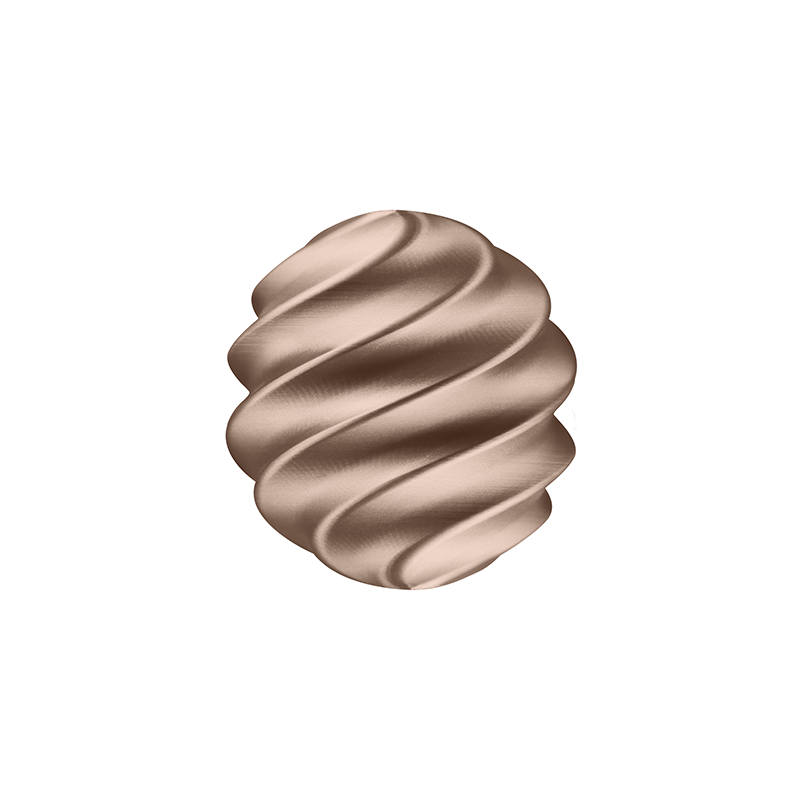
ABS is a commonly used thermoplastic 3D printer filament known for its balance of toughness, heat resistance, and overall durability. For individual users, ABS is often chosen for prints that need to handle higher temperatures or everyday wear better than basic PLA. It is commonly used for items like tool holders, electronic enclosures, and functional parts that may be exposed to warm environments. When using ABS at home, consistent filament diameter and predictable printing behavior are especially important, as they help reduce issues such as uneven extrusion or layer separation. This is why material quality and formulation matter just as much as strength. Brands such as CaiLab focus on stable ABS formulations to help users achieve more reliable results, emphasizing material consistency and print performance over exaggerated consumer claims.
Processing Characteristics and Practical Considerations of ABS
ABS requires more controlled printing conditions, including a heated bed and, ideally, an enclosed printer, to reduce warping and improve layer adhesion. Compared with PLA-based filaments, ABS offers better impact resistance but also demands more careful temperature control and setup from the user. For home makers and advanced hobbyists, understanding these trade-offs makes it easier to decide when ABS is the right material for a project. In everyday use, ABS is often chosen for functional parts such as tool holders, brackets, or enclosures, while other 3D printer filament options are preferred for decorative or highly detailed models. Careful material testing before release helps ensure stable extrusion and thermal behavior, giving users more predictable results once the filament is on their printer.
Complementary Materials for Visual and Design-Oriented Applications
Alongside ABS, marble-effect PLA materials address a different set of needs. CaiLab offers Marble PLA Filament, 1.75mm, 1kg Spool, which is typically used where surface texture and visual depth matter more than thermal performance. Ideal applications include home décor such as vases, sculptures, candle holders, and planters, as well as architectural models and interior design prototypes. Cosplay props, statues, display pieces, premium gifts, and boutique-style product designs also benefit from its stone-like appearance. In professional workflows, having access to multiple material options allows teams to balance aesthetics, cost, and performance without compromising production efficiency.
Conclusion: Choosing ABS with a Clear Application Perspective
Understanding what ABS filament for 3D printers offers helps users choose the right material for their projects. ABS remains a practical option for functional prints that need extra durability and heat resistance, while decorative PLA variants are better suited for visually focused models and display items. When filaments are made with consistent raw materials and carefully controlled production processes, users benefit from more predictable printing results across different projects. This application-focused way of choosing materials helps hobbyists and makers achieve reliable outcomes and enjoy a smoother 3D printing experience over time.
